Archive_MetacinematographicPerception_Mickey17
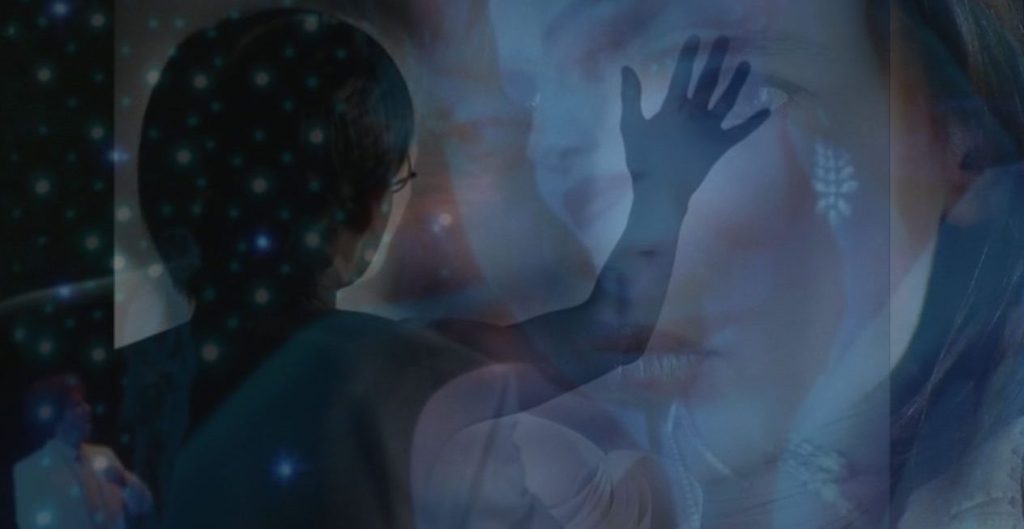
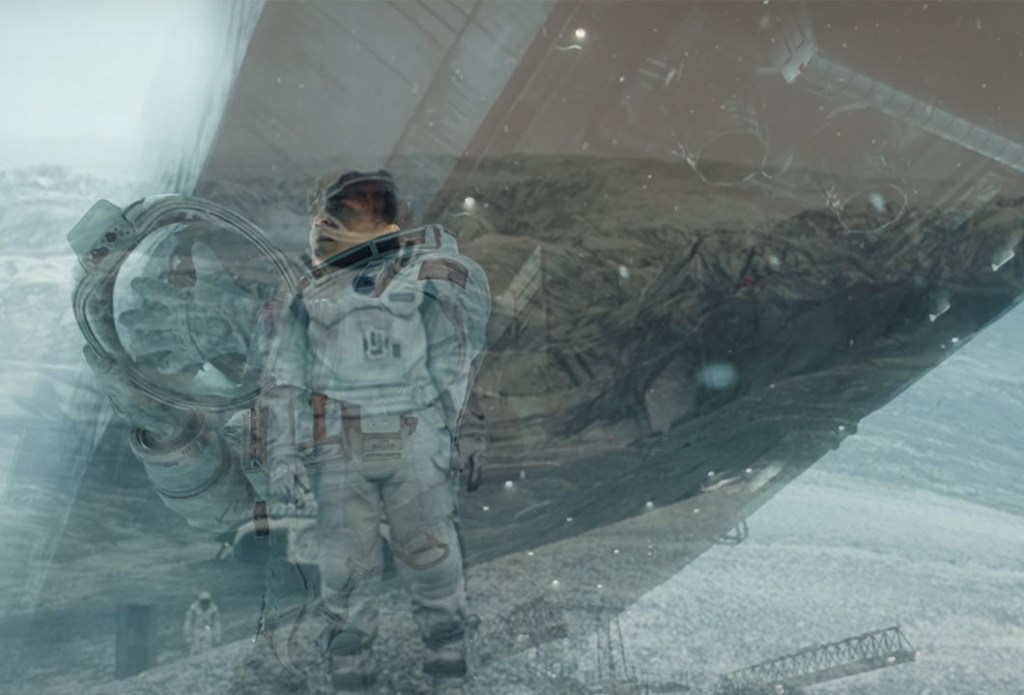
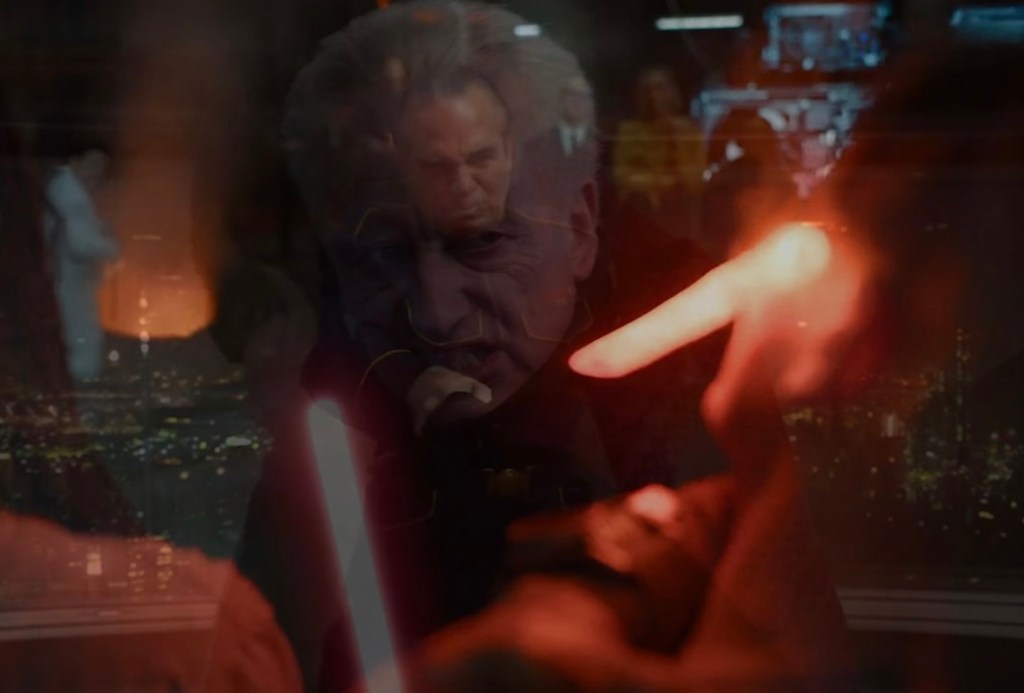
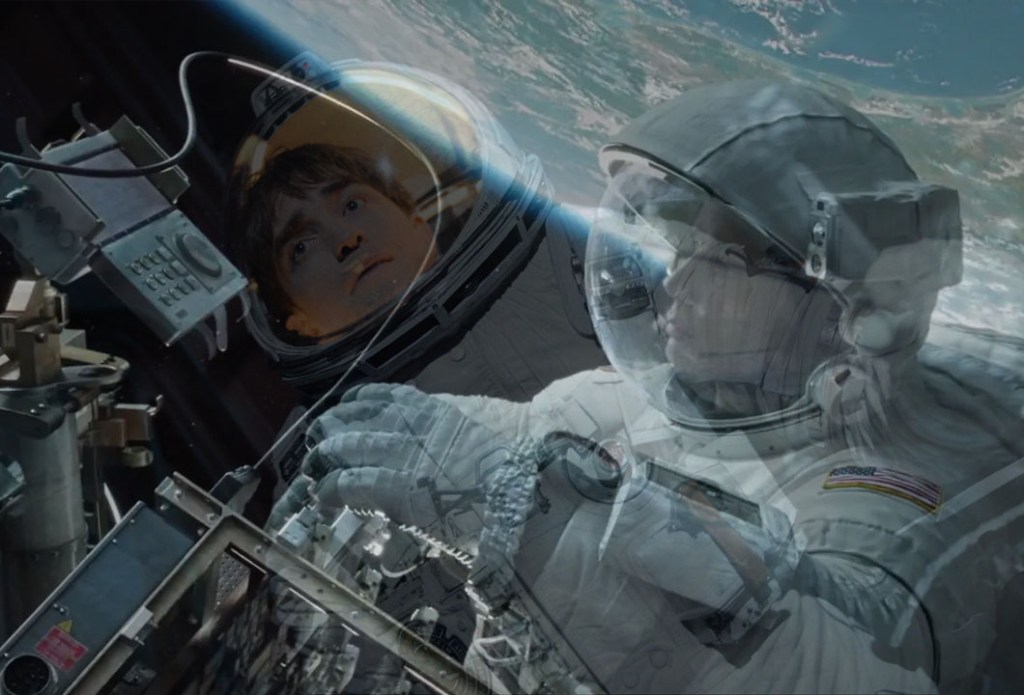
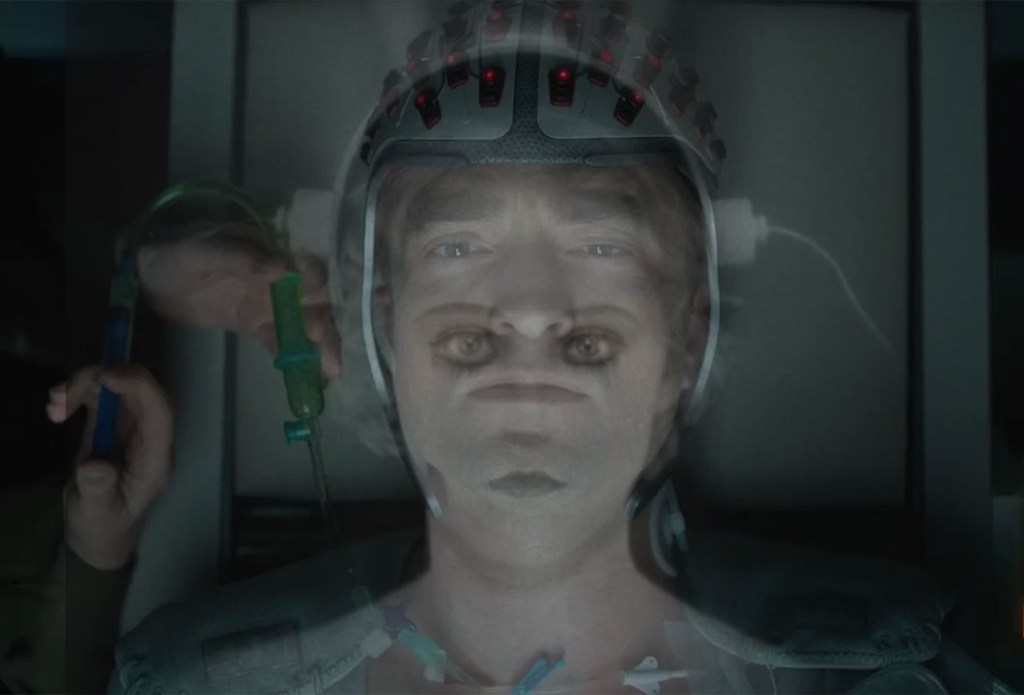
When deciding on my Alternative Theory assignment, I sought to challenge myself by manifesting a visual representation of what an Indexical-Dialectic image might look like — an image that my theory, outlined in Iconography as an Indexical-Dialectic: An Archive of Meta-Cinematographic Perception, proposes as an archivable rendering of the moment when a prior film frame is recognized within an ongoing exhibition. I concentrated my gallery of images on Bong Joon Ho’s Mickey 17 (2025), using the film as a case study to explore the appeal of this formal device. I invite my audience to engage with each image: What thoughts surface as you observe them? How might these reactions shape your understanding of the film — and of your own perception? What I hope becomes evident is a particular “lightbulb” moment captured in these images: the instant when a previous cinematic experience reenters through a sutured, ongoing one. I argue that the images also record how the original referenced film frame is crystallized as an iconographic attraction — one that not only distinguishes cinematic from sutured perception, but also invites the intertext of the referenced film into the new viewing experience, creating an intellectual montage through remediation. I chose to focus on Mickey 17 to suggest that, regardless of whether audiences liked the film, their affective responses may stem from its transparent reappropriation of iconic film frames, which — much like the film’s own theme of uncanny and heedless cloning, becomes an attraction in its own right.
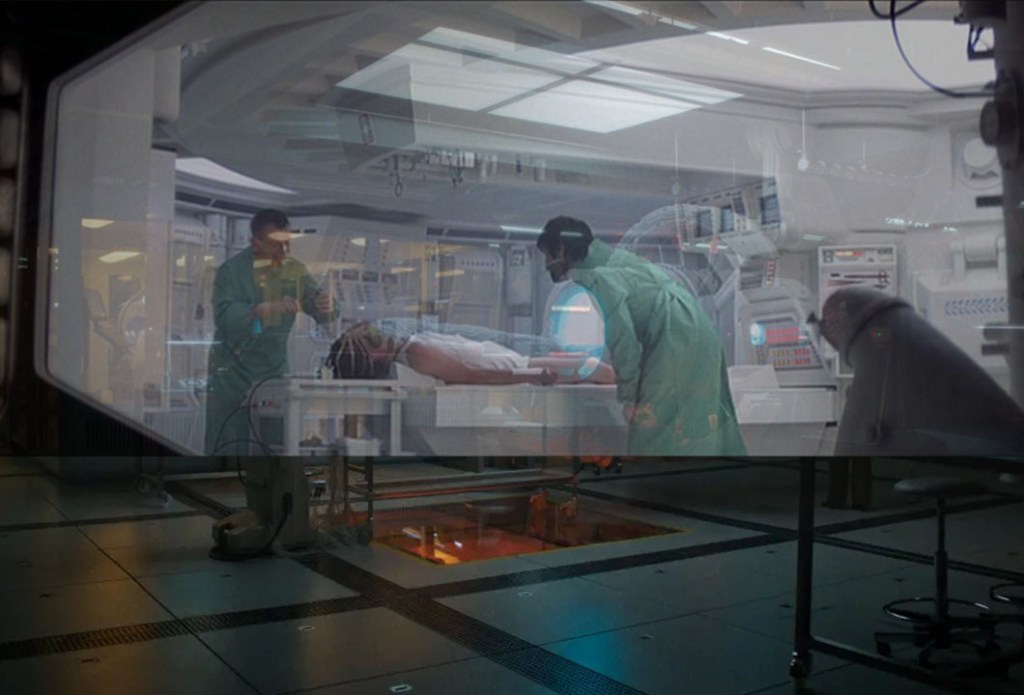
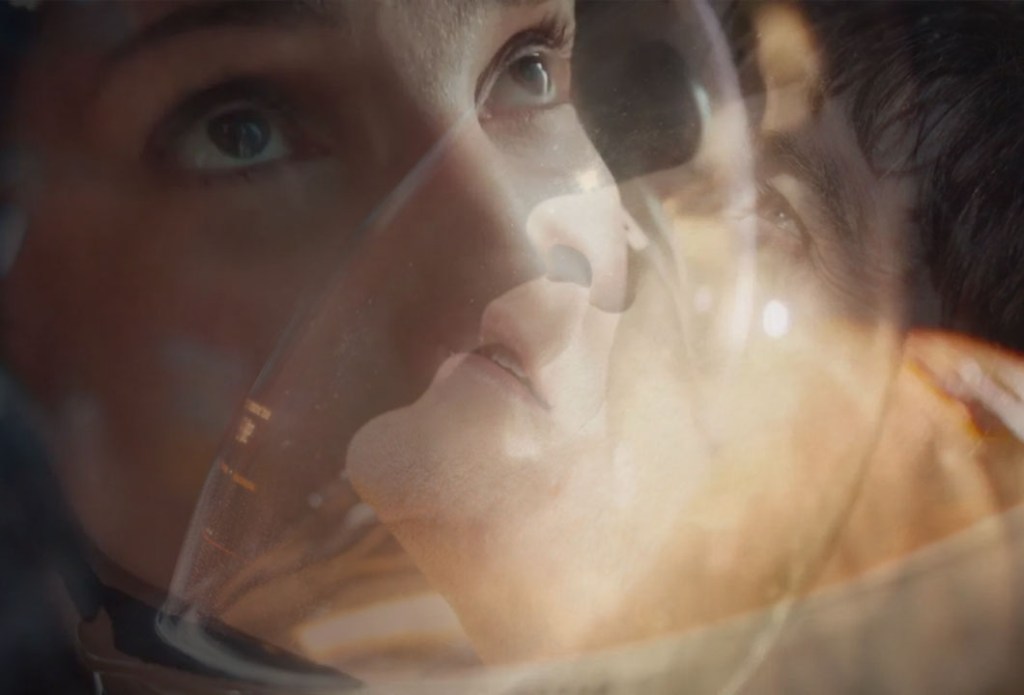
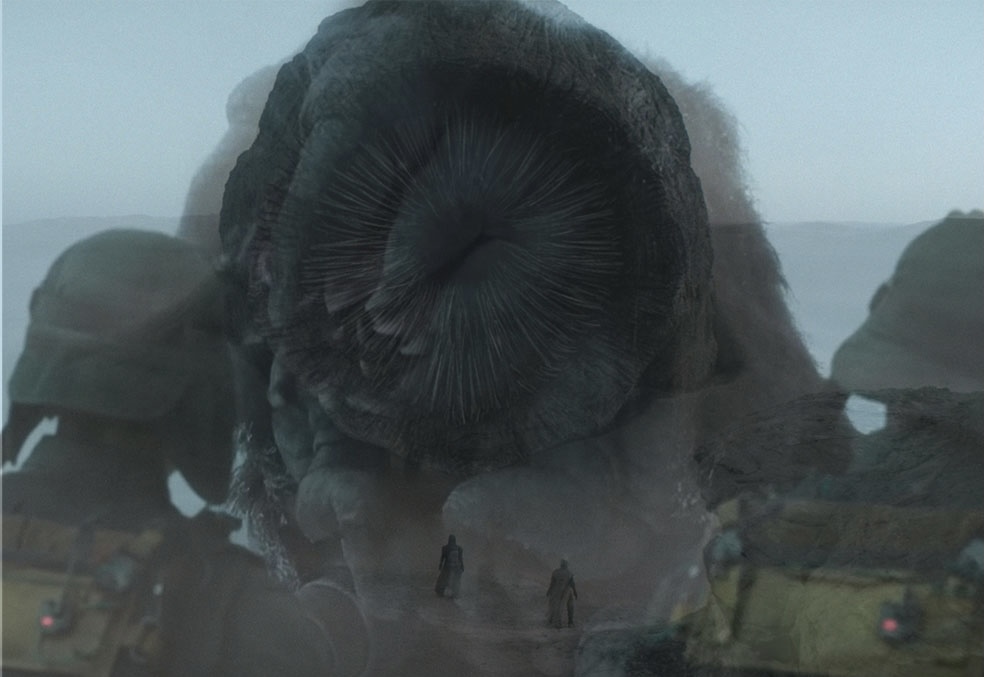
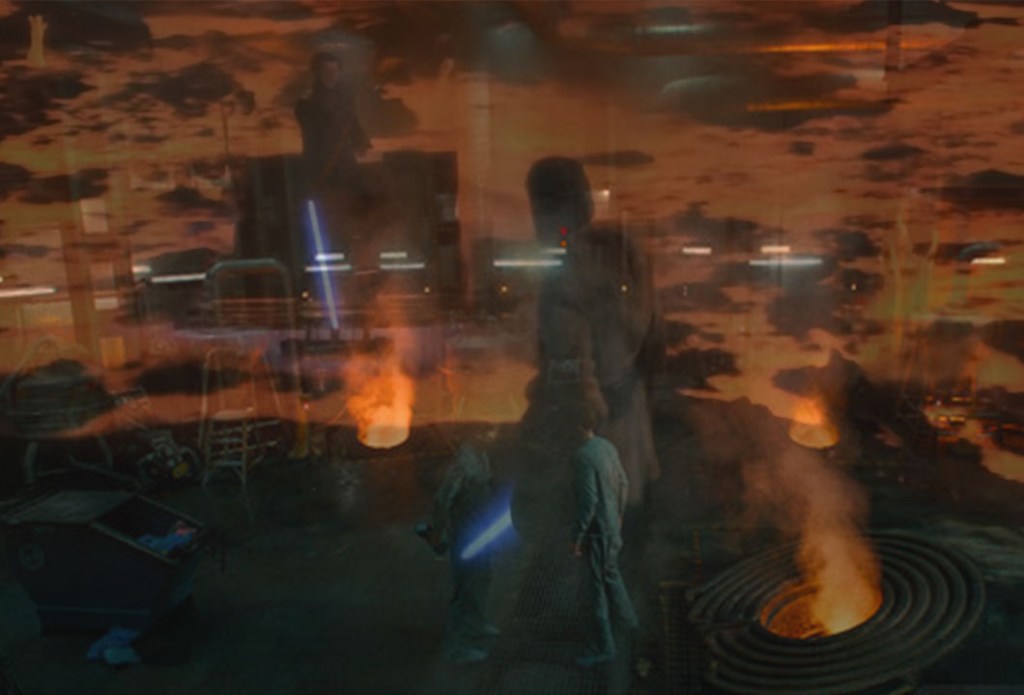
Additional:
Archive_ MetacinematographicPerception_WongKarWai
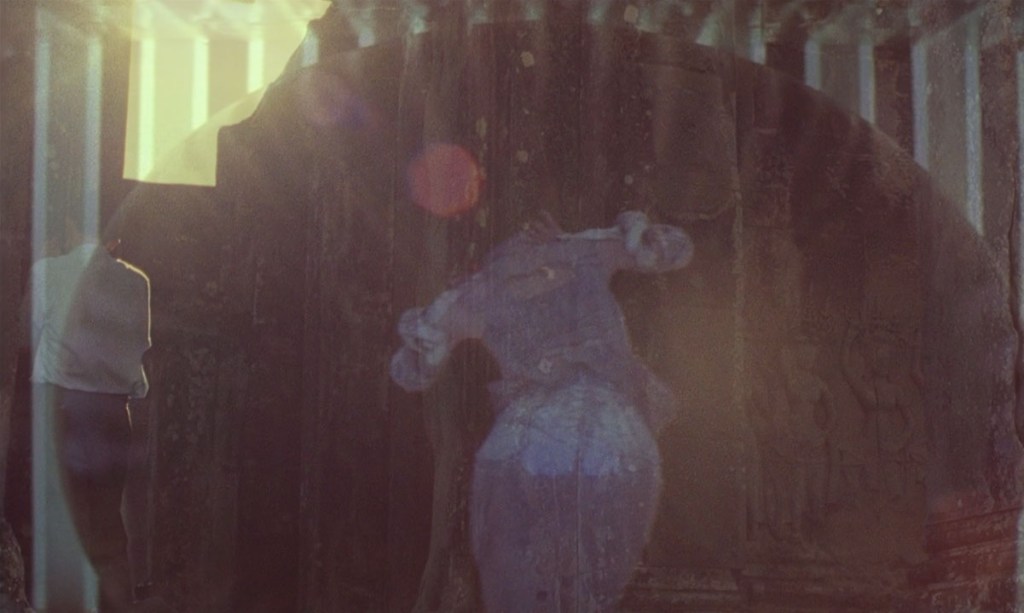
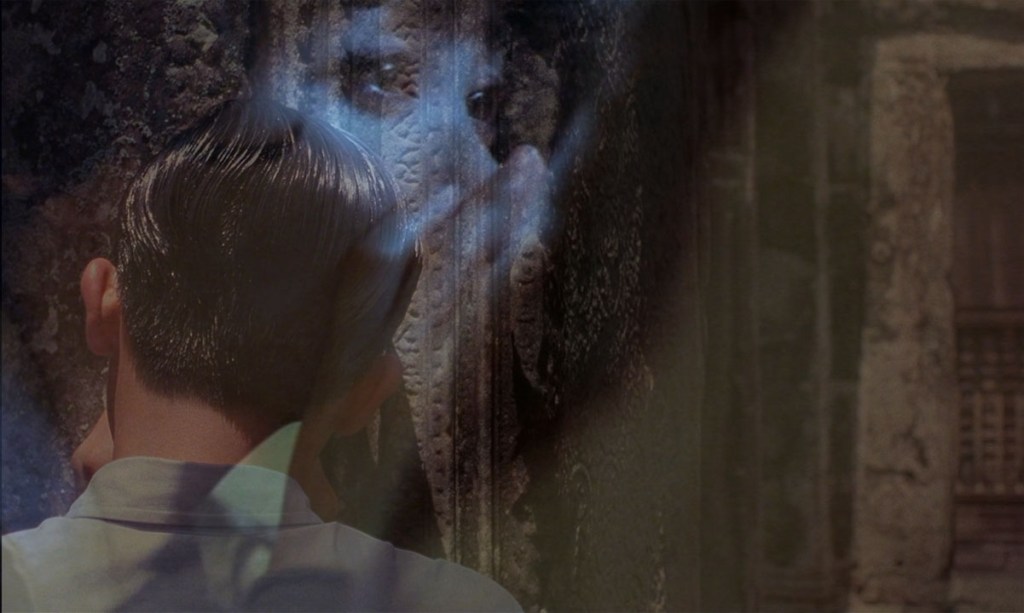
To build on this concept, I also created meta-iconographic images of this variety, drawing on Wong Kar Wai’s whispering-secret motif from In The Mood For Love (2000) and 2046 (2004). These Indexical-Dialectic images demonstrate the same phenomenon previously discussed but serve to present how this formal device operates differently within a single filmmaker’s oeuvre. By remediating the same film frame across works, the dialectical moment inscribed in these images serves more unapologetically as a narrative agent, emphasizing its pragmatic ability to introduce the intertext of one film in order to inform and deepen the cinematic world of the ongoing one. It is also important to recognize that iconography exists not only in the imagery of specific frames, but within the broader components of mise-en-scene — particularly the reuse of the same actors across features to facilitate the dialectical event. Ultimately, what sets this meta-iconography apart from earlier examples is the flow of information: whereas Mickey 17’s deployment of the technique facilitated a one-way transfer of knowledge, meta-iconography establishes a two-way flow, allowing viewers to revisit this same Indexical-Dialect image in either film’s exhibition, enriched by an awareness of the filmmaker’s self-conscious use of their own attraction.

 Jenn Thảo Nguyễn
Leave a reply to ALTERNATIVE THEORY PROJECTS ’25 – Interactive Media Archive: Collaborative Multimedia Resource Cancel reply