
Film Theory
An archive of my ‘Film Theory’ Online Participation
-
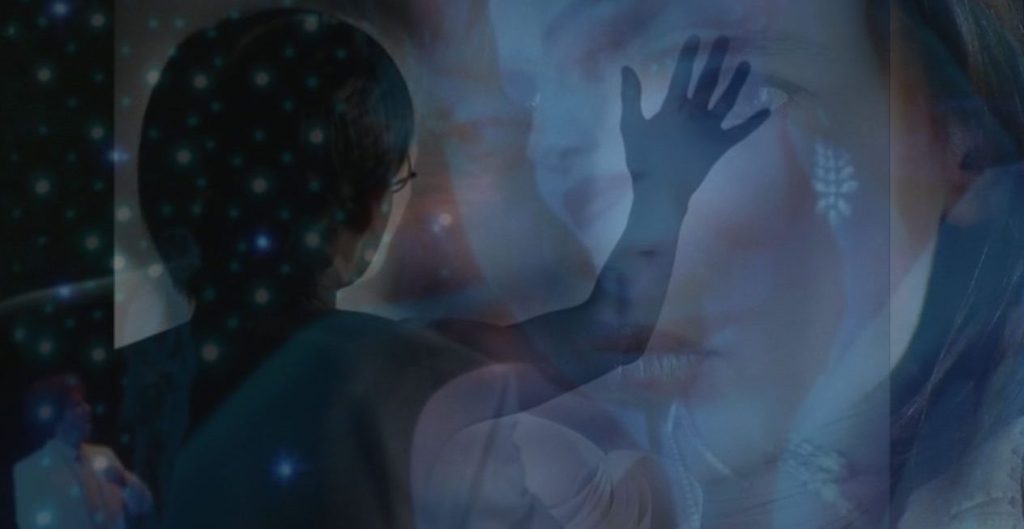
Alternative Theory Assignment: Archive_MetacinematographicPerception
Archive_MetacinematographicPerception_Mickey17 When deciding on my Alternative Theory assignment, I sought to challenge myself by manifesting a visual representation of what an Indexical-Dialectic image might look like — an image that my theory, outlined in Iconography as an Indexical-Dialectic: An Archive of Meta-Cinematographic Perception, proposes as an archivable rendering of the moment when a prior film…
-

Radical Theory & Post Theory (Week 13)
Mayne’s theorization on negotiation was particularly compelling to me. I could not help but notice that with every polarity they articulate — heterogeneous versus homogeneous, resistance versus compliance, text versus reception, activity versus passivity — the ultimate goal of negotiation is to chart the capaciousness of non-dichotomous thinking. Mayne is ultimately negotiating their own mode…
-

Cinema as Sound & Synesthesia (Week 12)
E&H’s sixth chapter, Cinema as the Ear, Acoustics and Space, introduced several compelling dimensions of sound studies. One key concept was the spatial distinction between the 2-D image and 3-D sound, showing how recorded sound retains its dimensionality, whereas photography flattens its visual subject. Sound’s haptic quality — its transmission through frequency waves in space…
-

Cinema as Mind & Memory (Week 11)
Reading Jaehne’s article on Szabo’s work, alongside E&H’s Chapter 7 and Hugo Munsterberg’s monograph, heightened my excitement for this unit on memory studies and cognitivist film theory, as it aligns most directly with my interests in this discipline. Elsaesser and Hagener argue that “Film replays to its viewers their own processes of perception—and this with…
-
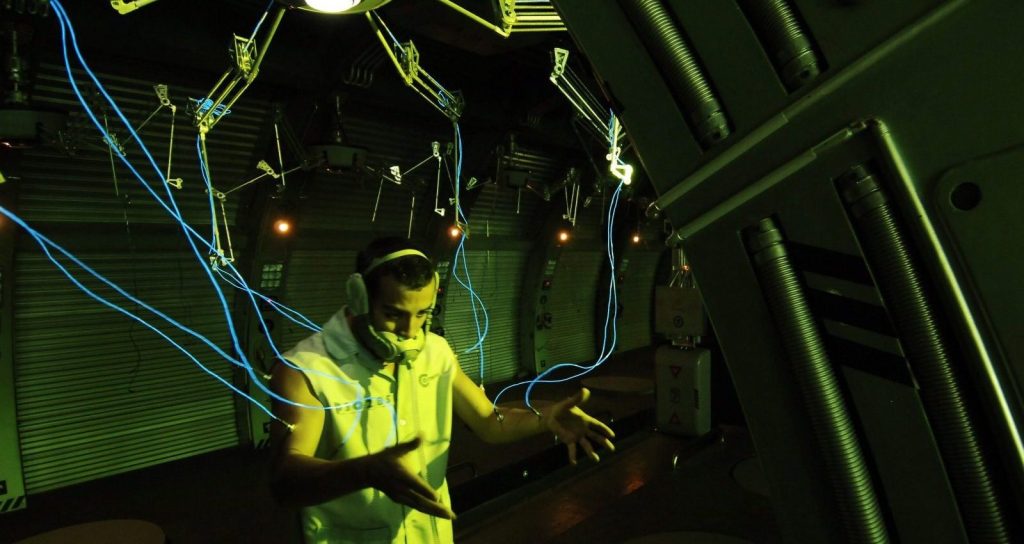
Cinema as Digital Body & Interface (Week 9)
“A future with a past” serves as the thematic foundation of Alex Rivera’s border science fiction (SF) film Sleep Dealer (2008), a theme that underscores Wells’ analysis of the film’s evocative symbolism of the node and its scar. Through her discussion, Wells reveals how border SF, exemplified by Sleep Dealer, articulates the paradoxes between unilateral…
-
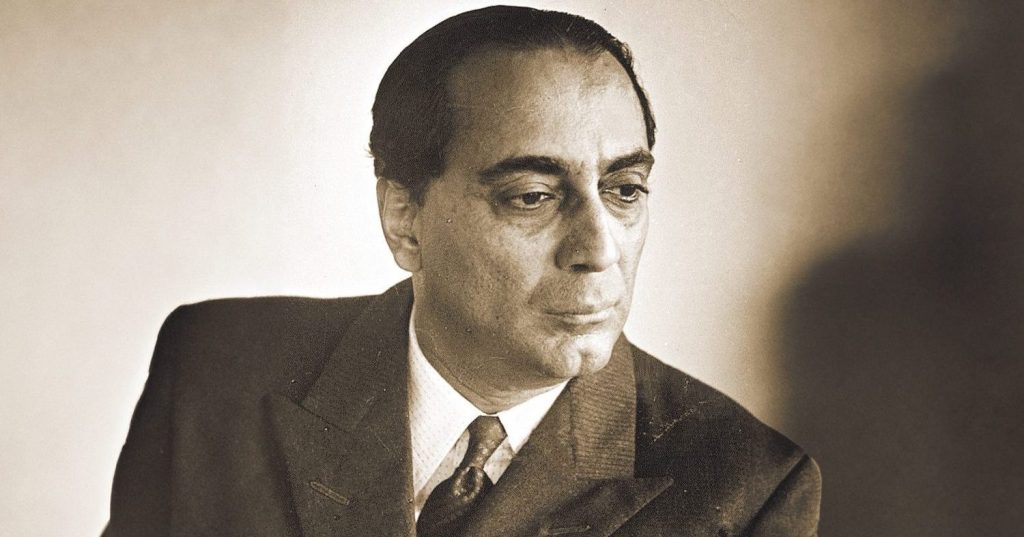
Introducing Theorist: Homi K. Bhabha’s Theorizing on Third Spaces
As an addition to my Week 8 prompted online commentary, I would like to highlight the work of theorist Homi K. Bhabha, specifically his key contributions within “A Commitment to Theory” in The Location of Culture (Bhabha, 1994), as elaborated by Patricia Pisters. Bhabha’s work in The Location of Culture explores how art represents, mediates,…
-

Cinema as Ideological Inoculation (Theory Response Excerpt)
Introduction: Ideology, defined as “a set of beliefs, especially one held by a particular group, that influences the way people behave”, underpins the skepticism in Jean Louis Baudry and Sergei Eisenstein’s empirical analysis of cinema. In “Ideological Effects of the Basic Cinematic Apparatus”, Baudry examines the implicit ideals embedded within the cinematic apparatus that construct…
-
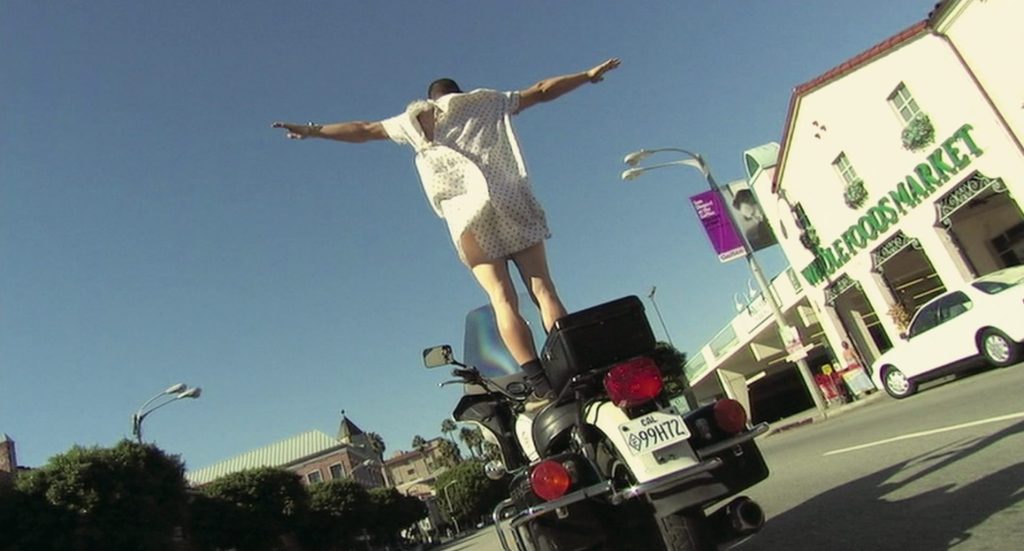
Cinema as Visceral & Cinesthesia (Week 8)
Palmer’s essay raised many interesting points in dialogue with Sobchak’s phenomenology. Upon my first exposure, I felt that my understanding of the cinesthetic subject was limited to a kind of carnal recognition from cinematic stimuli, where our bodies respond to the movement of its likeness on screen. After reading the article, however, I realize that…
-
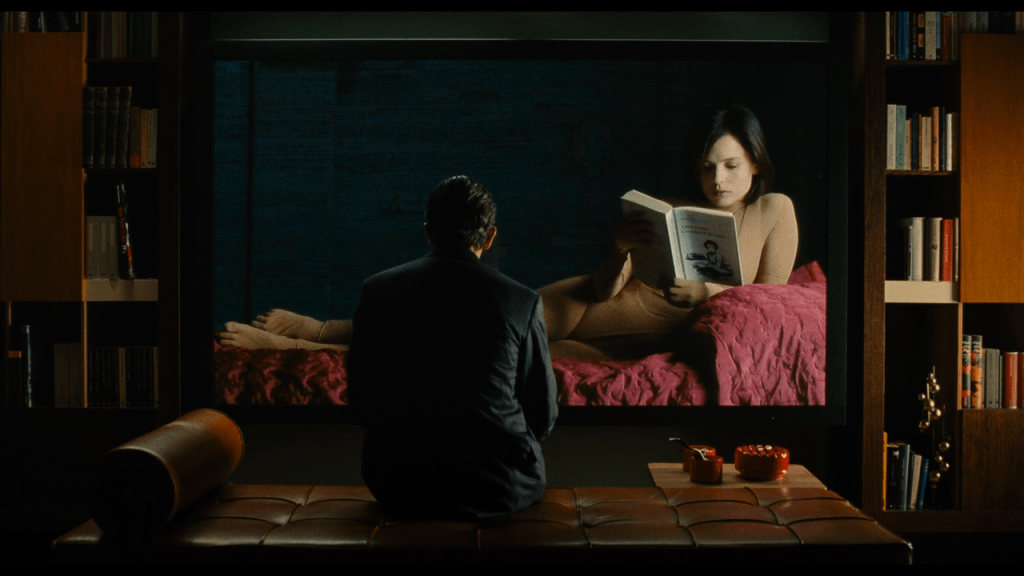
Cinema as Touch, Flesh, Organs (Week 7)
In my reading of E&H’s fifth chapter, I was particularly interested in the various permutations of cinema’s interface at the level of the skin. The hermeneutics of this lens are further elaborated through the essays of Reyes, Marcantiano, And Silhol. Reyes observes trends in surgical horror to examine how The Skin I Live In (Almodovar,…
-

Cinema as Smell, Taste, & Skin (Week 6)
After watching A Touch of Spice (Boulmetis, 2003) last week and The Skin I Live In (Almodovar, 2011) this week, we experienced two different filmmakers’ distinct relationships with national cinema and its evolution into the realm of transnational cinema. Eleftheriotis’ article provides an insightful case study on the former, demonstrating the punctuation available to a…
 Jenn Thảo Nguyễn