On April 16th, I had the opportunity to join the MIAP Cohort 25’ on a trip to Washington, D.C. and Rockville, MD for the Smithsonian Institute’s Digital Media Preservation Day, and a tour of Colorlab — one of the few remaining full-service motion picture film labs in the United States. The trip offered valuable insights into digital asset management workflows within a large-scale federal institution, and highlighted how photochemical film continues to endure through owner-operated companies.
On Thursday, MIAP Professor Kim Tarr led our group to meet with Siobhan Hagan (MIAP ‘10) at AVMPI (Audiovisual Media Preservation Initiative) offices, where we learned about the initiative’s origins, mission, and workflows. As a large institution with 22 units and a zoo, the Smithsonian holds vast audiovisual collections that demand AVMPI’s ongoing efforts — not only to digitize near-obsolete formats like U-matic tape, but also to catalog, preserve, and prepare them for public access across various museum-facing platforms. We were introduced to the Smithsonian’s Digital Asset Management System (DAMS) and Metadata Authority Description Service (MADS), along with the flexible workflows used to prioritize service requests and deliverables. The facilities included a film lab, baking ovens, QC stations, and dedicated sound and video labs, where we observed the protocols required to make media accessible for public use and preservation.
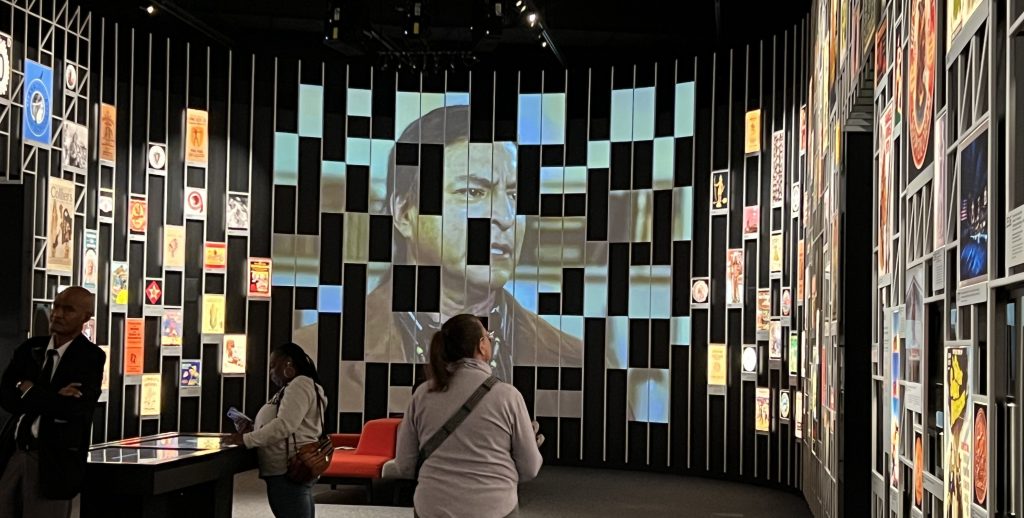
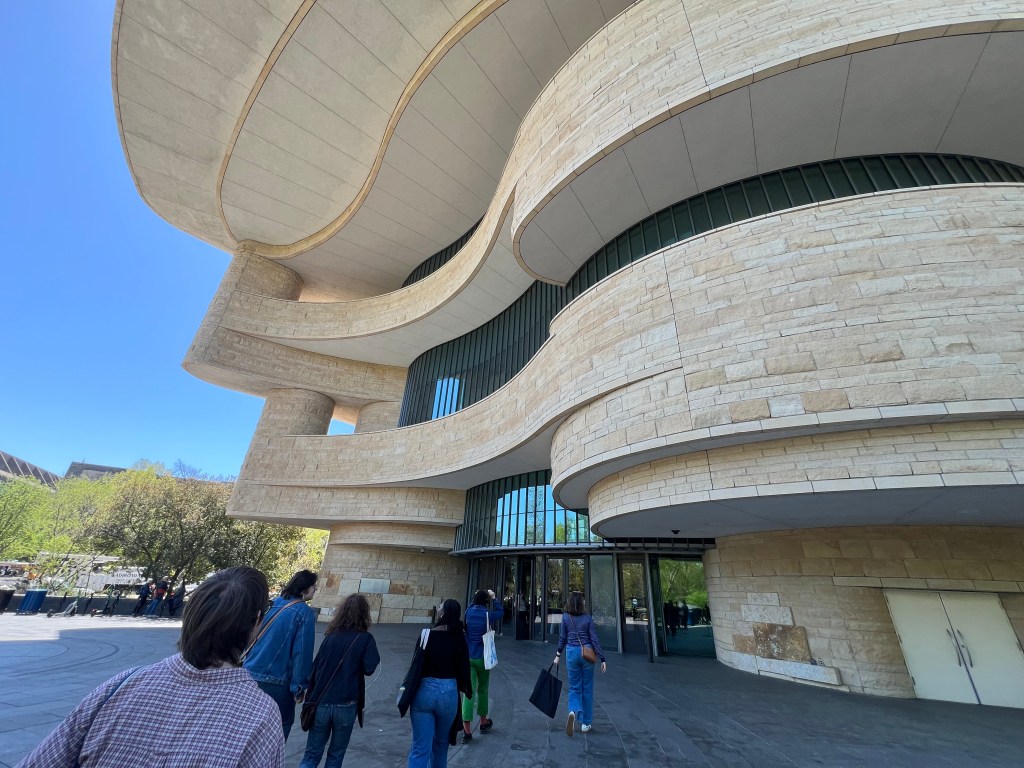
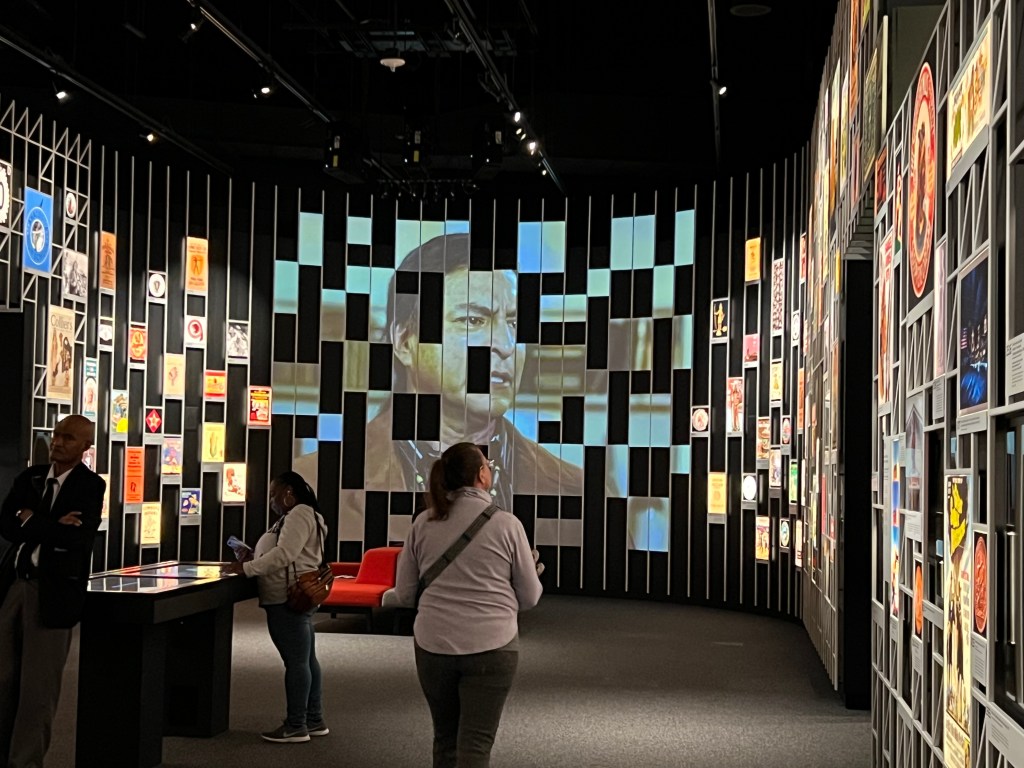
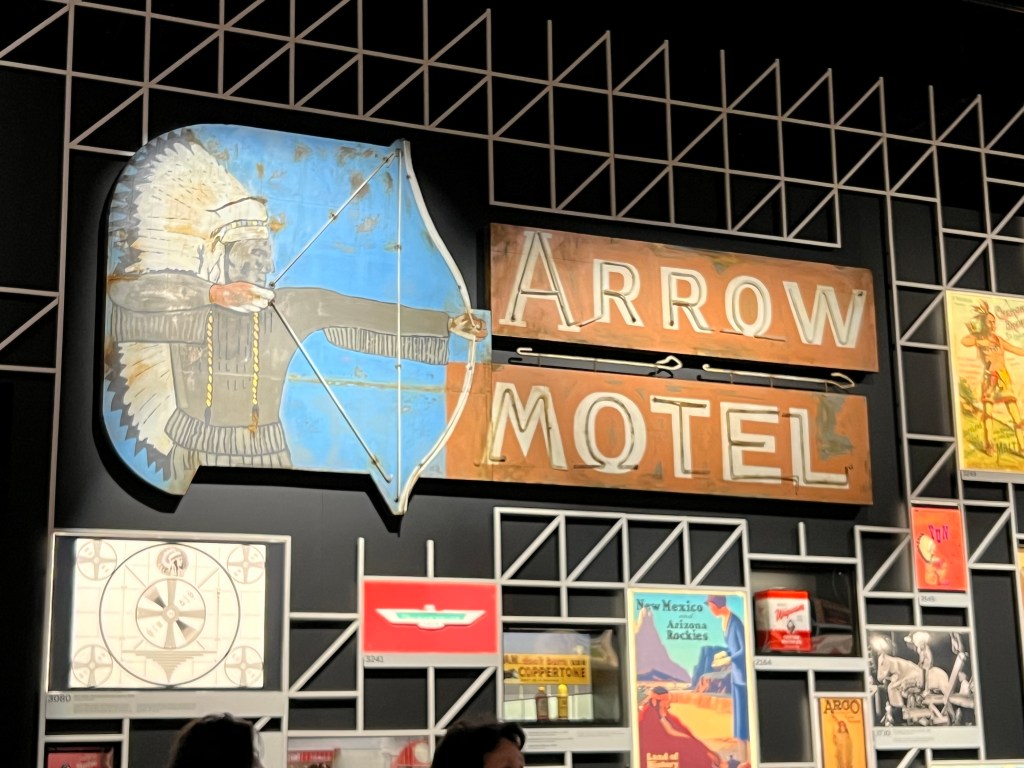
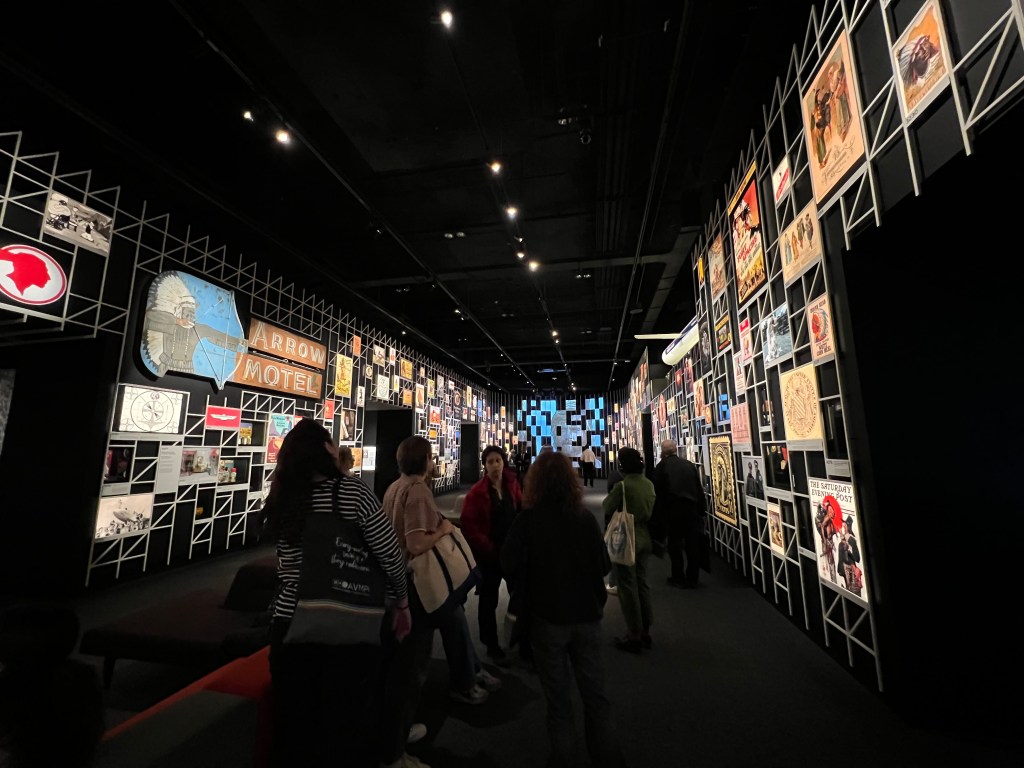
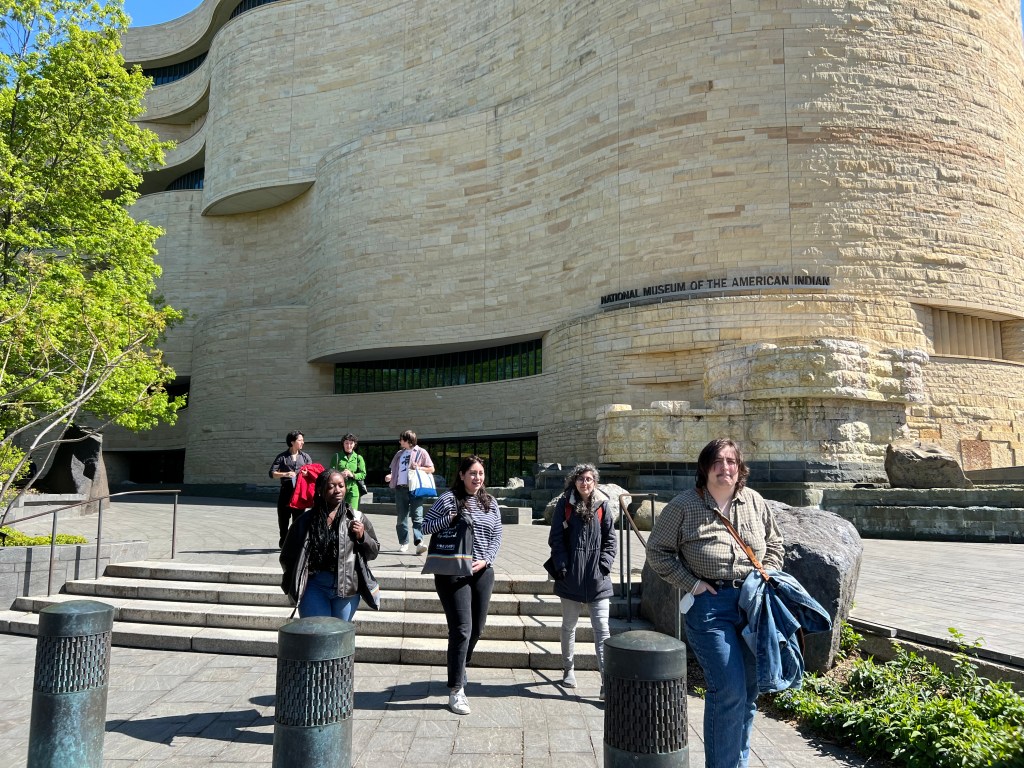
Shortly thereafter, we walked over to the National Museum of the American Indian (NMAI) for a presentation by MIAP alum Crystal Sanchez (‘12), Video and Digital Preservation Specialist in the Office of the Chief Information Officer (OCIO). Crystal shared insights into their role in standardizing digital asset management protocols across Smithsonian units, offering IT support and consultation tailored to each unit’s archival needs. We discussed the creative problem-solving that digital preservation demands — where archivists must devise solutions within a range of constraints, and where the expectations of aspiring archivists entering the job market as digital preservationists can vary widely. It was inspiring to see the many hats Crystal wears as a preservation specialist, and to hear firsthand about the challenges and rewards of working in a position of such scope.
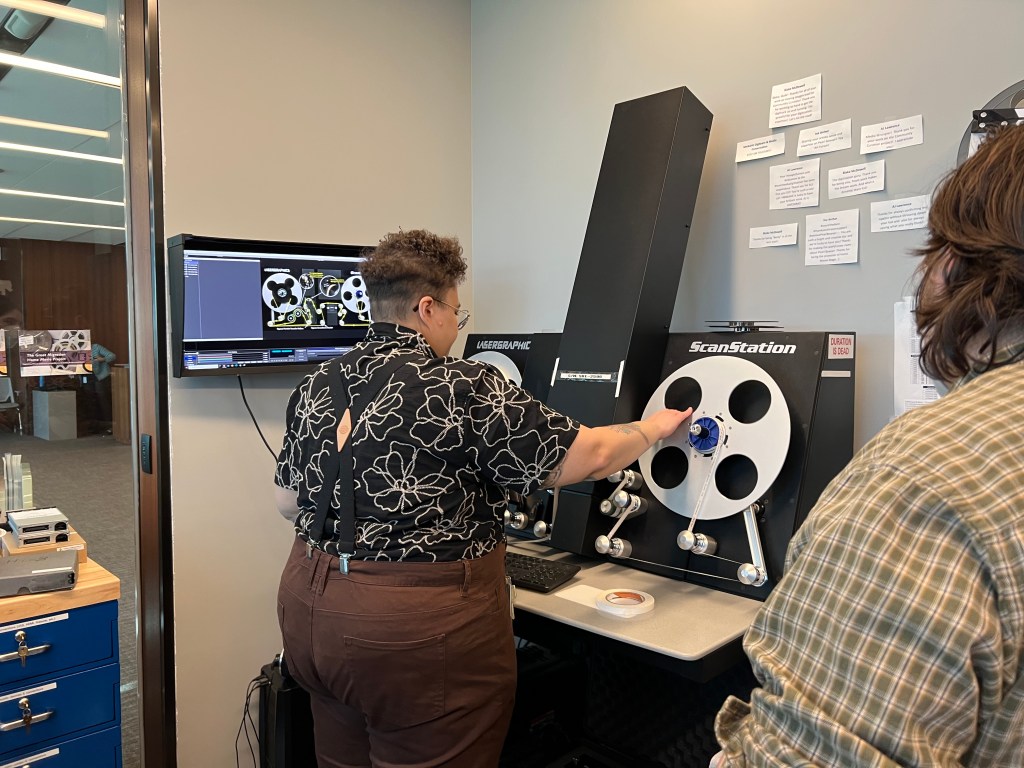
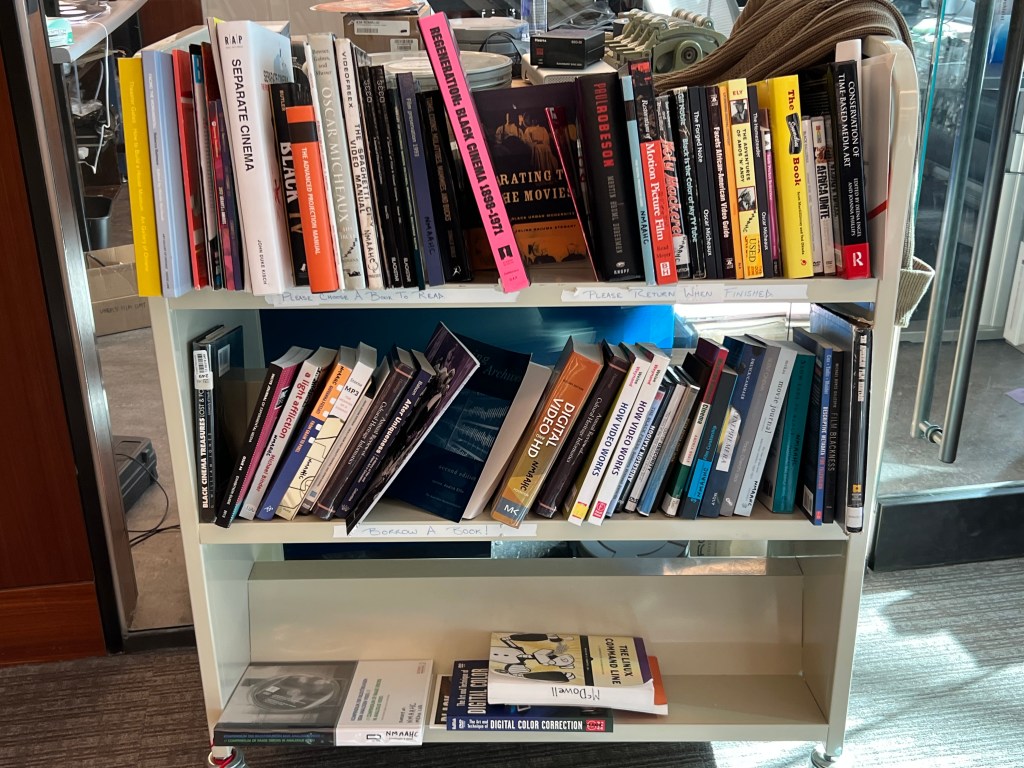
Our final stop was the National Museum of African American History and Culture (NMAAHC), where we met CK Ming (MIAP ‘11), Media Conservation and Digitization Specialist. CK introduced us to The Great Migration Home Movie Project, an initiative where archivists travel with a van outfitted with a ScanStation and video decks to digitize home movies and offer free preservation services to local communities. The project also supports home movie collection management and, in some cases, acquires materials for the museum’s collection — preserving invaluable records of African American domestic life that is largely missing from many archives’ preservation efforts. CK demonstrated the ScanStation’s 16mm workflow, showing how gates and sound heads can be adapted for different formats. Overall, the day offered an inspiring look at the breadth of preservation work across the Smithsonian — and the vital role MIAP alumni play in shaping that work.
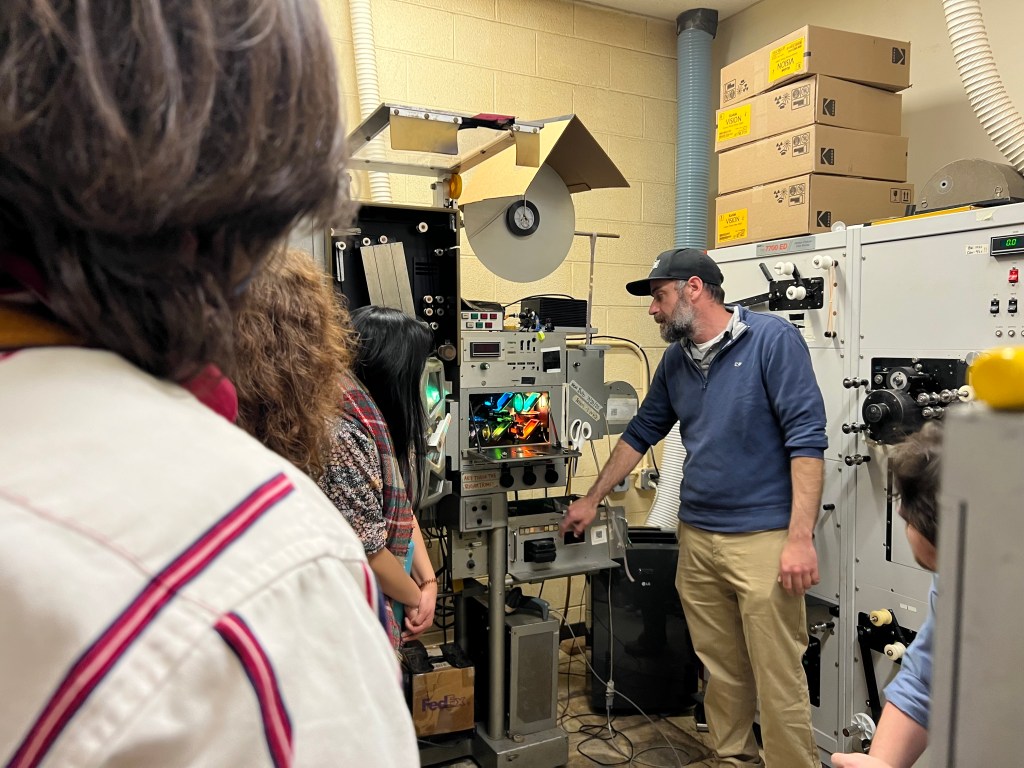
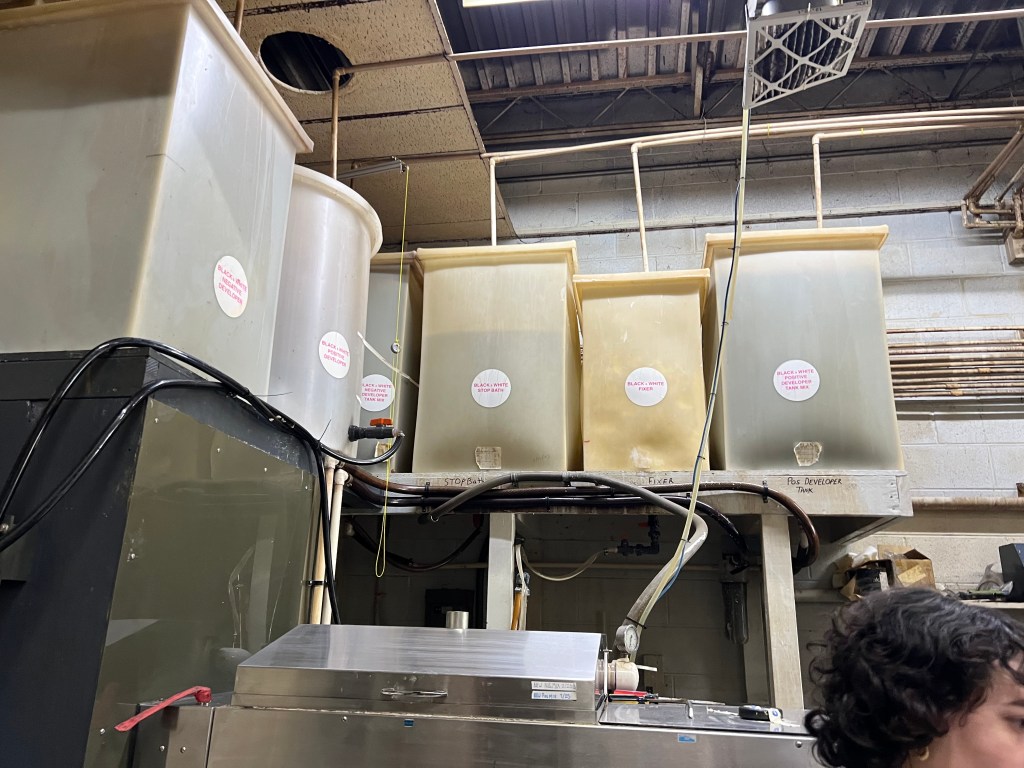
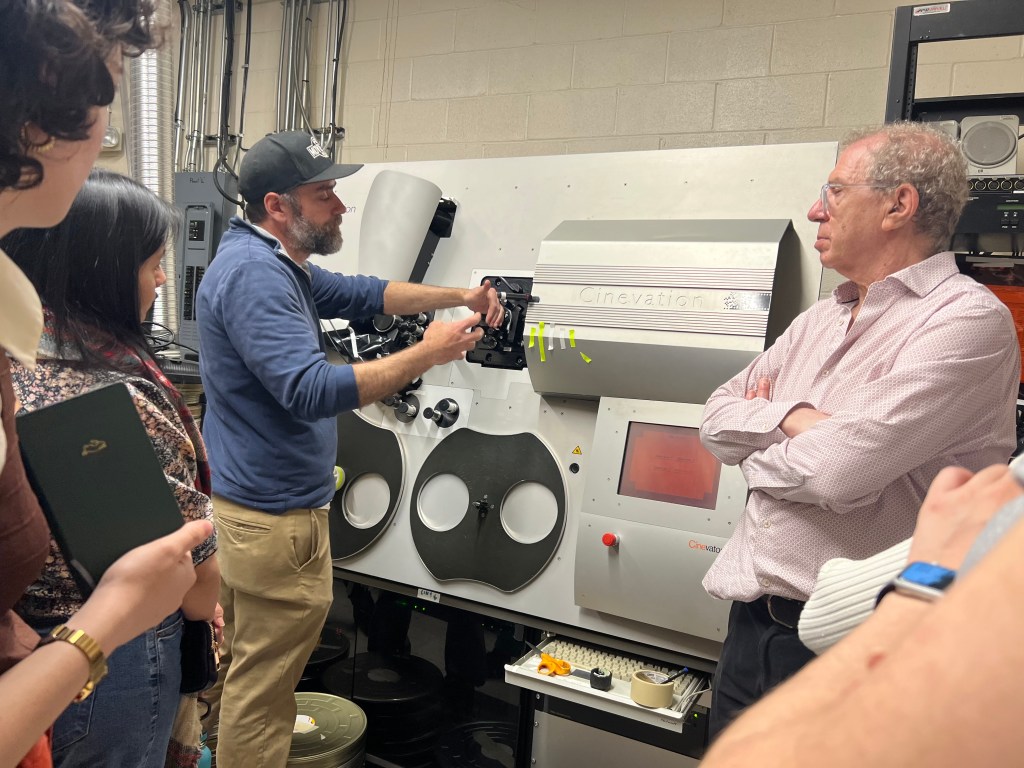
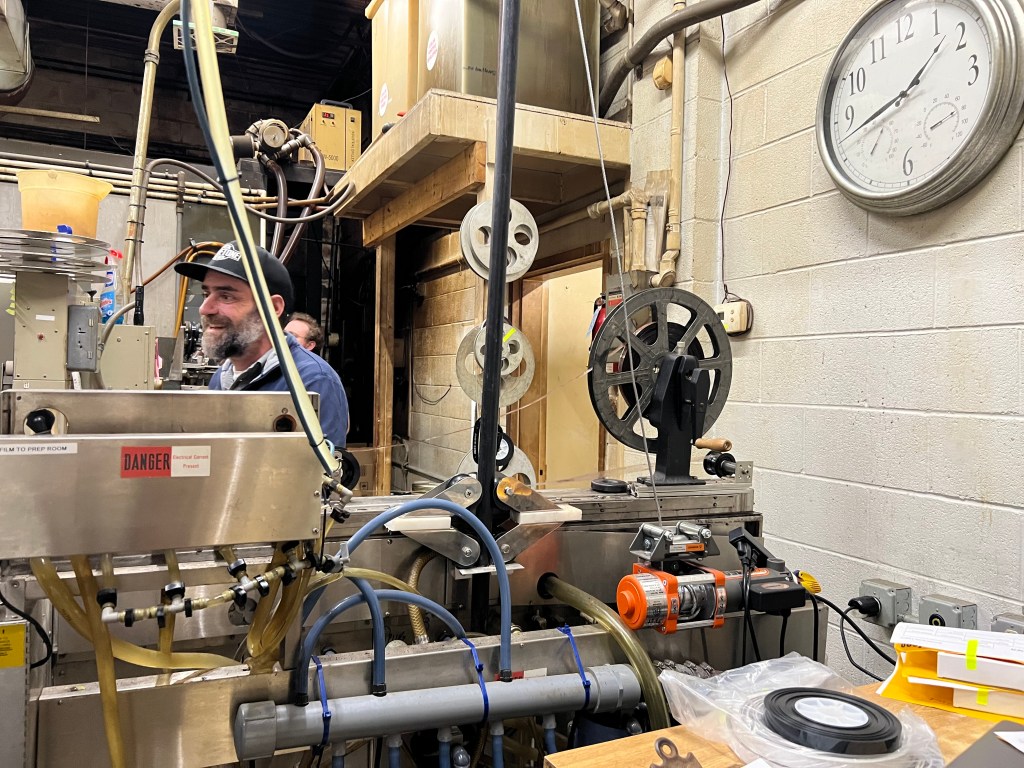
On Friday morning, we traveled from D.C. to Rockville, MD to visit Colorlab. We were welcomed by Tommy Aschenbach, Colorlab’s owner, who guided us through the facilities and shared his expertise on the machines he had built and customized for the lab’s particular needs. We followed the life cycle of a work order – from consultation to processing and final deliverables — gaining insight into the intricacies of their workflow. MIAP Professor Bill Brand co-led the tour, as we also viewed restoration projects supported by the National Film Preservation Foundation (NFPF) that he and his students are currently working on. Every corner of the lab held equipment and film stock, meticulously sourced and maintained to serve a wide range of clients, from major production companies to cultural preservation projects.
I was particularly struck by the lab’s barcode translation system, which converts color timing instructions from paper tape into machine-readable code. Most astonishing was the analog process developed by Tommy to print digital intermediates back onto film — a feat born entirely of his own ingenuity. One especially compelling aspect of Colorlab’s mission is helping client rediscover the labor and craft behind photochemical processes, particularly those with renewed interested in making release prints and unfamiliar with the complexity involved. On the digital side, Tommy emphasized that digital asset management is equally critical. Digitized materials are stored temporarily — clients have a 30 day window before assets must be erased or offloaded onto LTO tapes. For longer-term storage, clients sometimes opt for transfer to Amazon Glacier through an intensive process, which can be streamlined by a “snowball” system that accelerates large-scale uploads to the cloud. The visit revealed the precision and passion behind Colorlab’s work. I was in awe of the lab’s innovation and dedication, where photochemical preservation is both sustained and continually reimagined.
Joining the MIAP cohort and professors on this trip was a true honor. I am deeply grateful for the chance to learn from alumni and generous professionals in the moving image archival and preservation community — individuals who continue to advance the field through their dedication to conserving the heritage of our moving image past.
 Jenn Thảo Nguyễn
Leave a comment