
On February 14th 2025, the Martin Scorsese Department of Cinema Studies at NYU Tisch hosted a department screening of the recent 4K Restoration of Tony Bui’s film, Three Seasons, in our Michelson Theater. With the event falling on Valentine’s Day, the crowd was filled with students and cinephiles alike, joining Director Tony Bui in celebration of a film that has long served as a love letter to the country of Vietnam, through its tender portrayal of the cultural and social legacy of the Vietnam War and Đổi Mới policy.
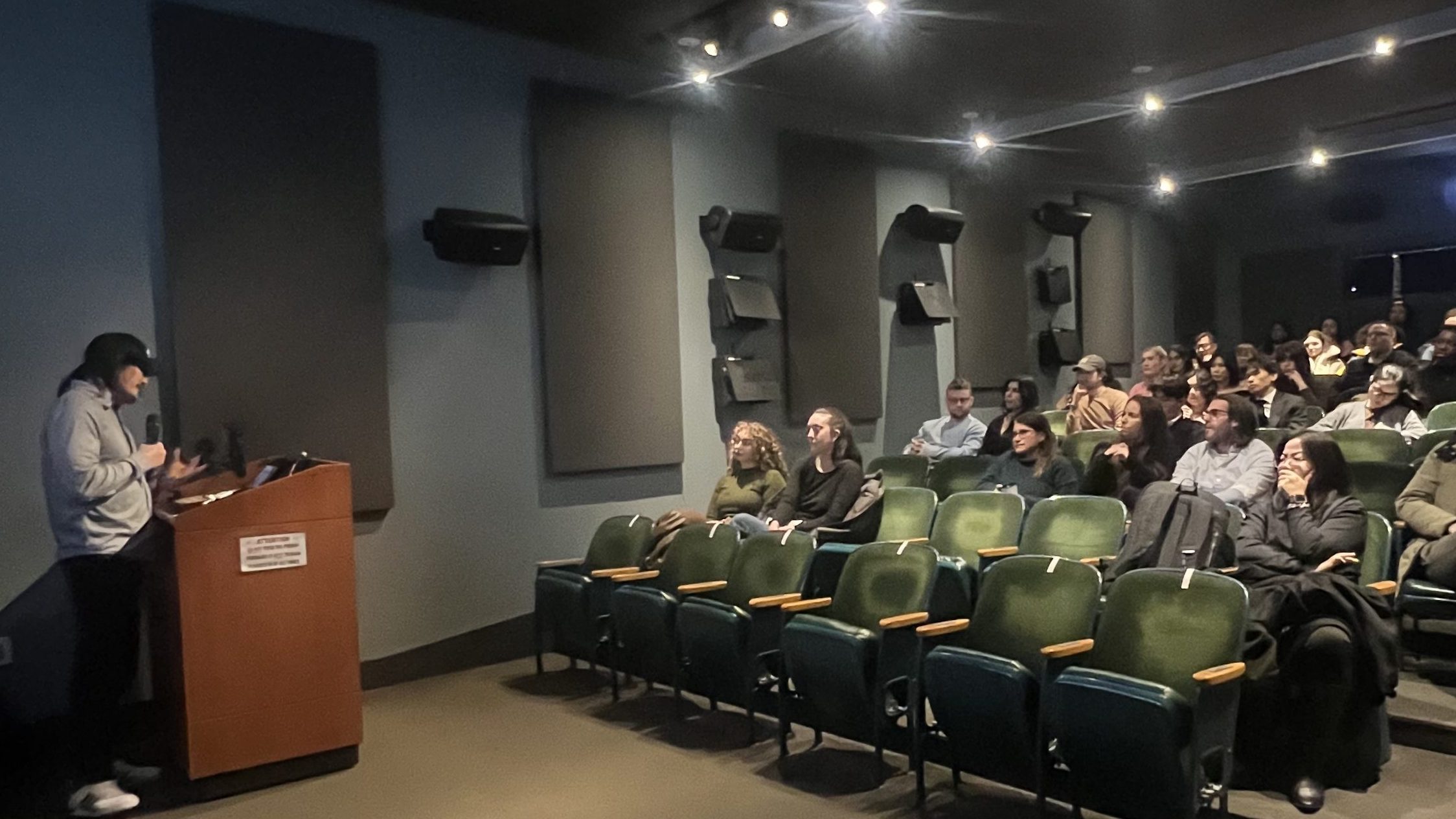
Tony began the event by sharing some words that helped situate the film for modern audiences. The director discussed the film’s significance as a manifestation of his reconnection to his roots, and how a prominent visit to Vietnam with his father in late adolescence introduced him to a world of people who lived beautifully, among the relics of war and the shadows of high-rise hotels. With its release in 1999, the film was awarded both the Grand Jury Prize and Audience Award at the Sundance Film Festival, and was acclaimed as one of the first peace films regarding Vietnam in America. Since then however, it too has lived in the shadows, surfacing as pixelated and glitchy iterations, offering only a tincture of a larger ethereal experience.
In 2024, Sundance chose 10 films to represent the festival’s legacy in celebration of its 40th anniversary, and of those selected was Three Seasons. This request reinvigorated the film by providing it a chance to be restored for contemporary exhibition. Tony shared his search for the film’s 35mm camera-original negatives that, after many years, demanded a scavenger’s pursuit. At the risk of losing its chance to premiere, Tony and his team were able to complete the restoration within three days of the festival, and as a result we are thankful for the opportunity to join in celebration of the film’s revival.
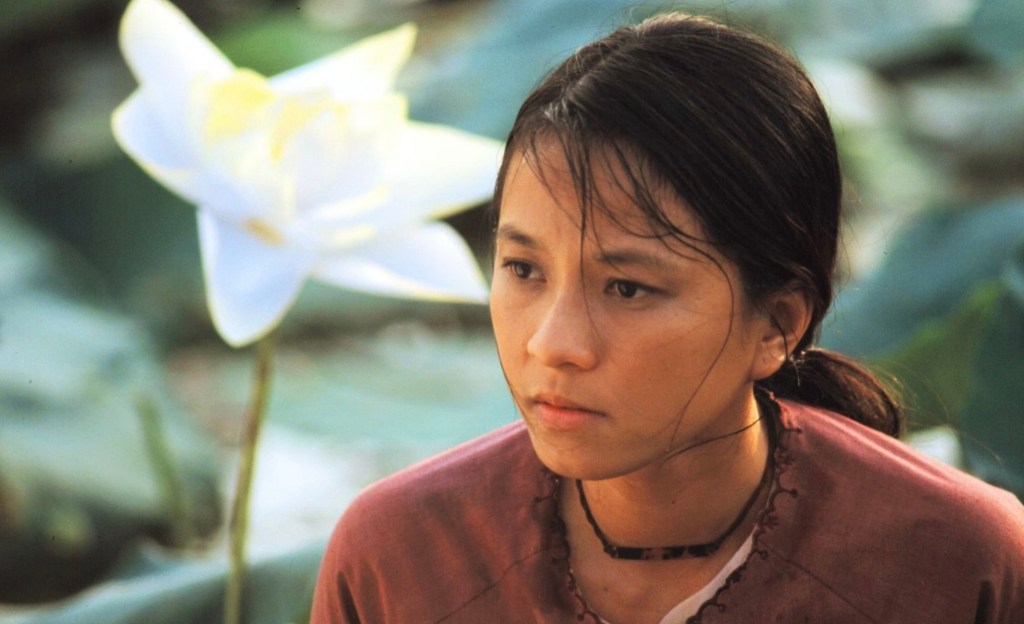
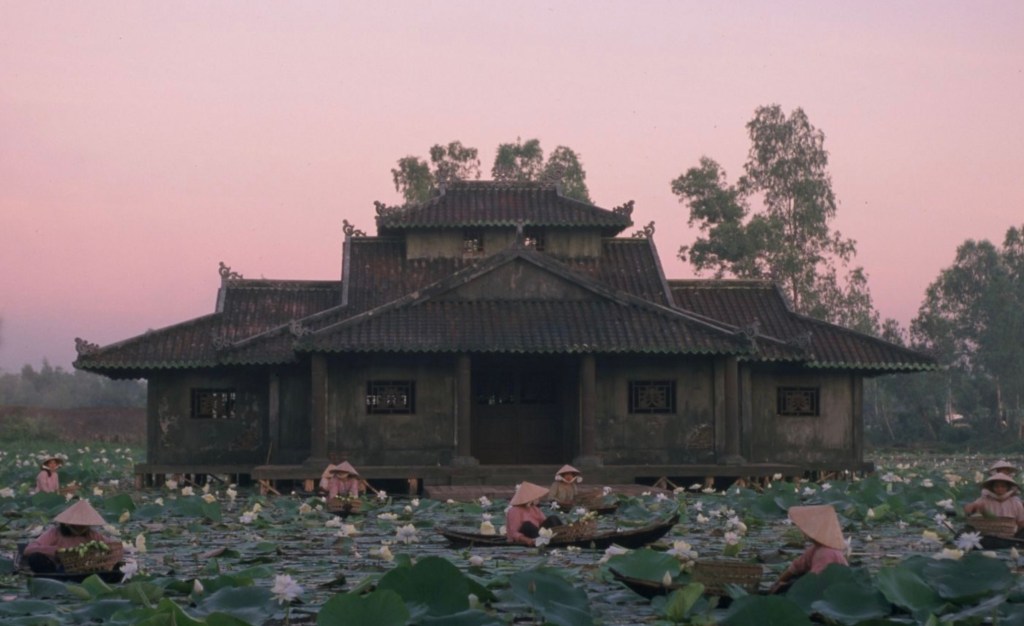
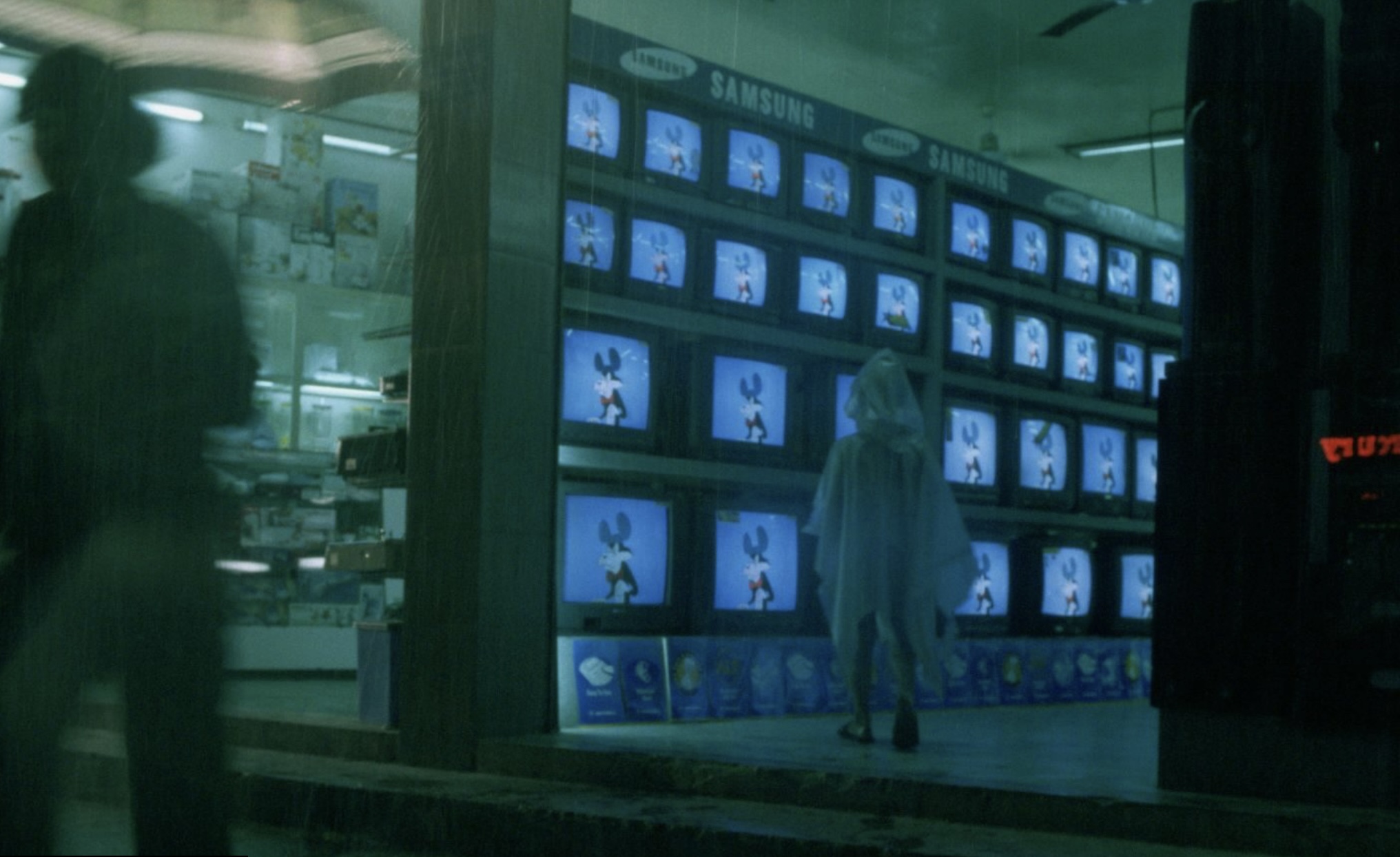
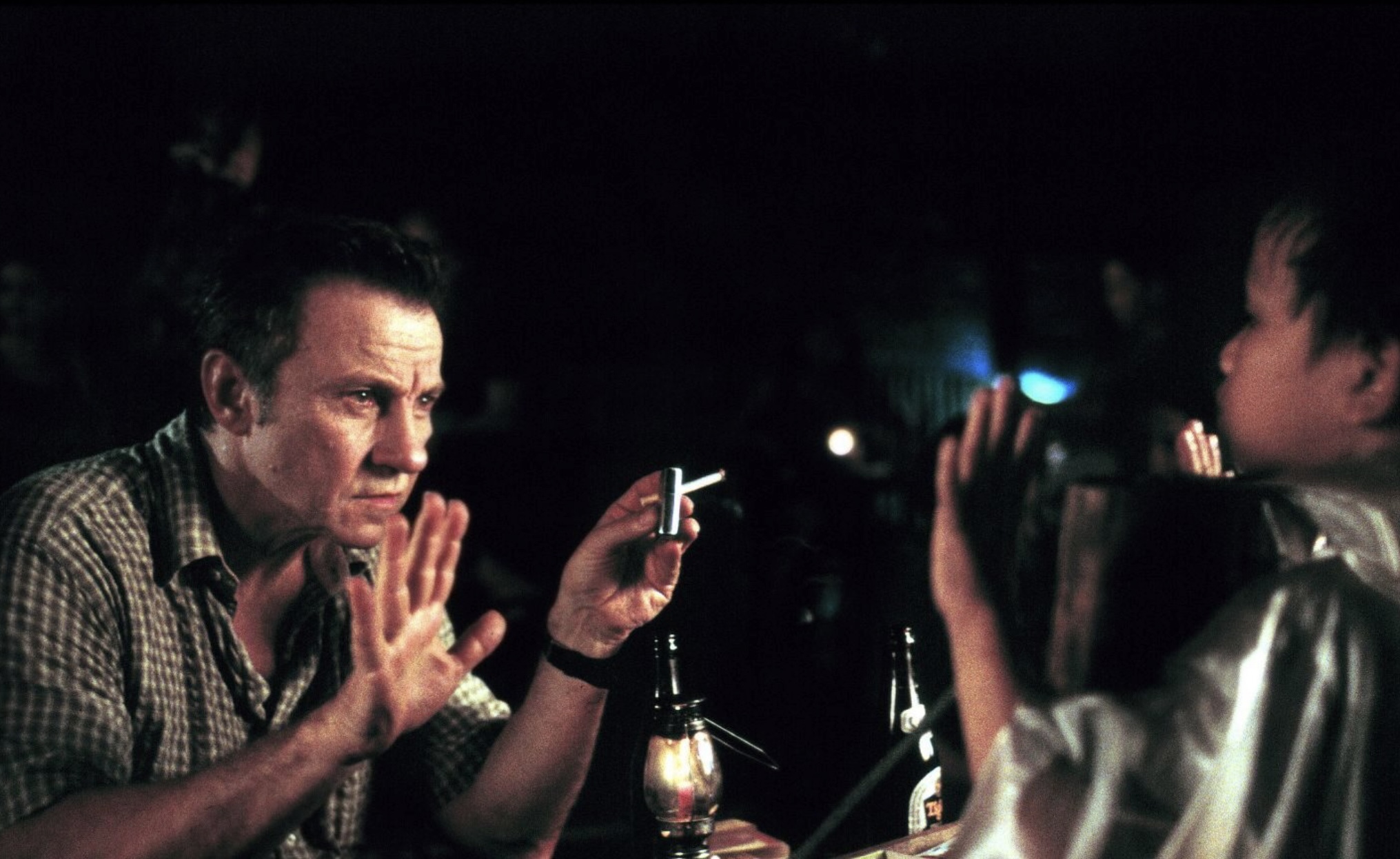

The 4K restoration was masterful in its reanimation of the detail and expression that lived in the world of Three Seasons. The three storylines, which follow the wet, dry, and growth seasons of Vietnam, were highlighted by their own color palette of vibrant and noir-like tones, indicative of the obverse sides of rapid urbanization. The sound design allowed audiences to hear the hum of traffic and the rhythm of bustling 90s Saigon, complemented by the carefully composed score: a mix of synthesizer chords under delicate plucking and whinnying of Vietnamese zithers—the melding of Western and Vietnamese aural sensibilities.
The film grain reminded us of the labor of celluloid, as seen in Tony’s artful use of diegetic light (in neon signs, moonlight, and reflection) as well as in the print’s preternatural capabilities of preserving all details from the lake of flowers to a bead of sweat. What is most fascinating, and perhaps vital in the film, is the ‘cinephilia’ demonstrated by Tony through the young character of Woody. Throughout the film, Woody—who wanders through the streets of Saigon as the ‘dust of life’—is shown accidentally falling through the projection screen at a cinema, mesmerized by the cartoons at a video store, and walking through alleyways revealing small crowds of people constructing a makeshift theater in front of a CRT monitor. These subtle, but pervasive, representations of Vietnamese exhibition aptly demonstrate how cinema is, and has always been, a site of community and artistic imagination for Vietnamese people.
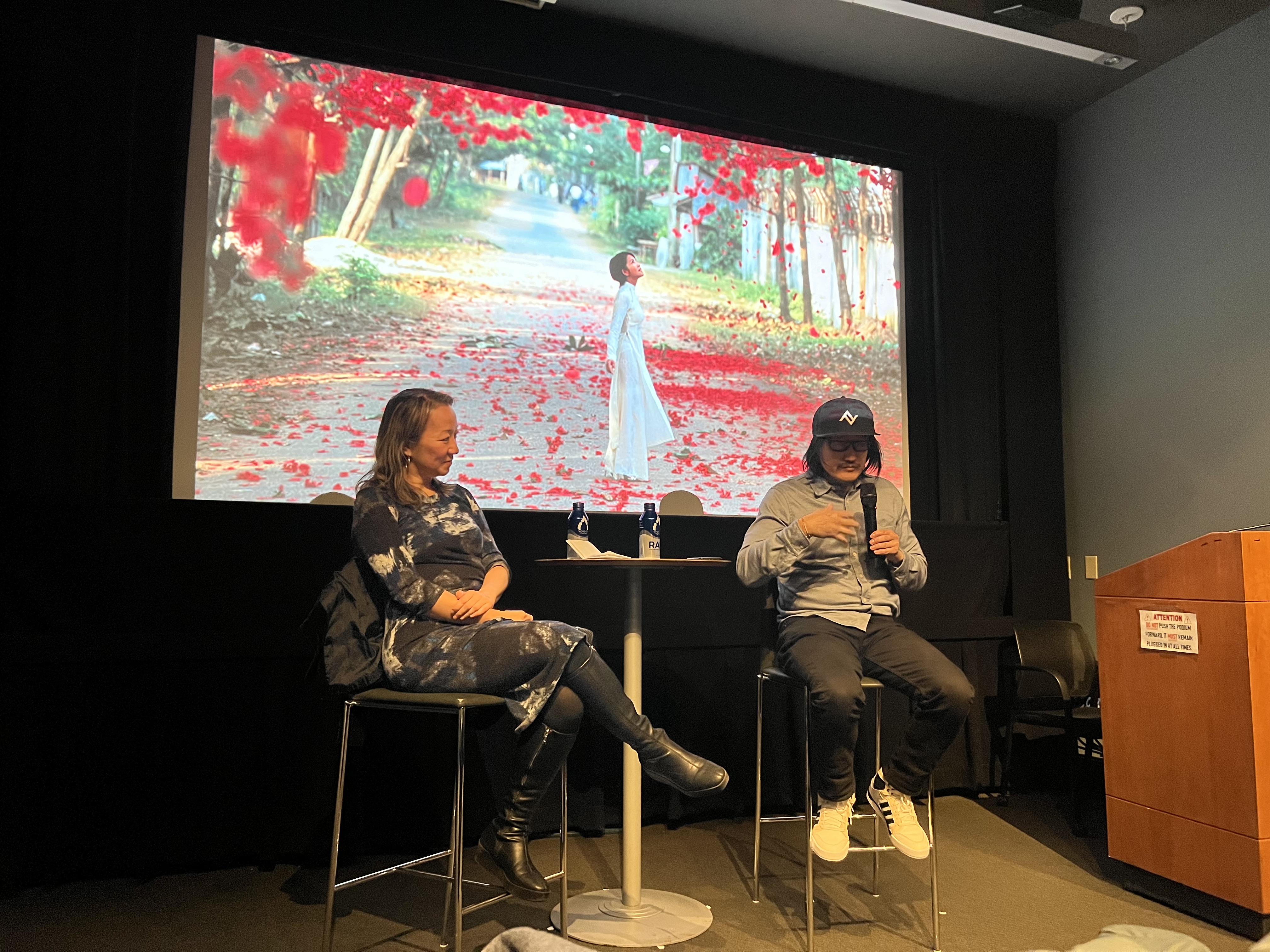

The credits were met with a resounding round of applause from the audience. Shortly thereafter, Tony and Professor Lien-Hang Nguyen—Director of the Weatherhead Institute and Dorothy Borg Associate Professor in the History—took to the stage for the Q&A portion of the event. Tony and Prof. Hang are professors in Film and History at Columbia University, respectively, and generously shared their expertise in a discussion that foregrounded later questions. Prof. Hang spoke of the significance she had felt when she first saw the film as a young adult, and credited the film for its intimate portrayal of Vietnam which allowed many members of the diasporic community, much like herself, to join Tony in bridging their relationships with identity.
In the interview, Prof. Hang asked Tony why he believed the film received such a great resurgence in light of the restoration. Tony responded by saying that, though he did not know, he posited that it may have been, in part, due to the film’s posing of many questions, themes, and issues that remain unanswered—yet still relevant—today. Tony discussed his goal of curating films for the Criterion Channel’s 20th anniversary of the end of the Vietnam War and how he hopes to highlight seminal films from Vietnamese cinema of the ’40s, ’50s, and ’60s that would continue this dialogue. We shortly opened the floor to audience questions, with the first inquiring into Tony’s production process. This prompted a hearty discussion on the decoy cameras Tony used to redirect local crowd attention, coordinating through walkie-talkies the choreography of capturing organic life, and a poetic and unspoken kinship he had with his censor police, whose task was to follow the film’s production to ensure adherence to censorship policies.
Final questions came from Vietnamese students in New York City, who hoped to share with the director their gratitude for the legacy of his work, and how seeing an authentically Vietnamese cast inspired their own creative pursuits as budding actors and filmmakers. Tony shared in his support and recognition of this passion and its hurdles, and discussed his own efforts to raise funding in support of Vietnamese students in the arts. He imparted advice for fundraising for films, and encouraged students to pursue filmmaking for the prospect of learning through the process above an emphasis on its completion. The night ended with the crowd continuing conversations with Tony and Prof. Hang one by one, and lively groups of audience members sharing their thoughts on the film with one another.
Overall the event turned out to be an incredibly meaningful evening that helped showcase Vietnamese Cinema, and became an opportunity to celebrate and connect Vietnamese artists and film scholars. For the event’s success, I would like to express my immense gratitude to Director Tony Bui, Professor Lien-Hang Nguyen, Cristina Cajulis, Anthony Gonzales, Jason Jackowski at NBC Universal, Ken Sweeney, Ann Harris, and Sam Schiffer; and to all of my community of friends at NYU Cinema Studies and New York that chose to share their evening with Three Seasons.

 Jenn Thảo Nguyễn
Leave a comment