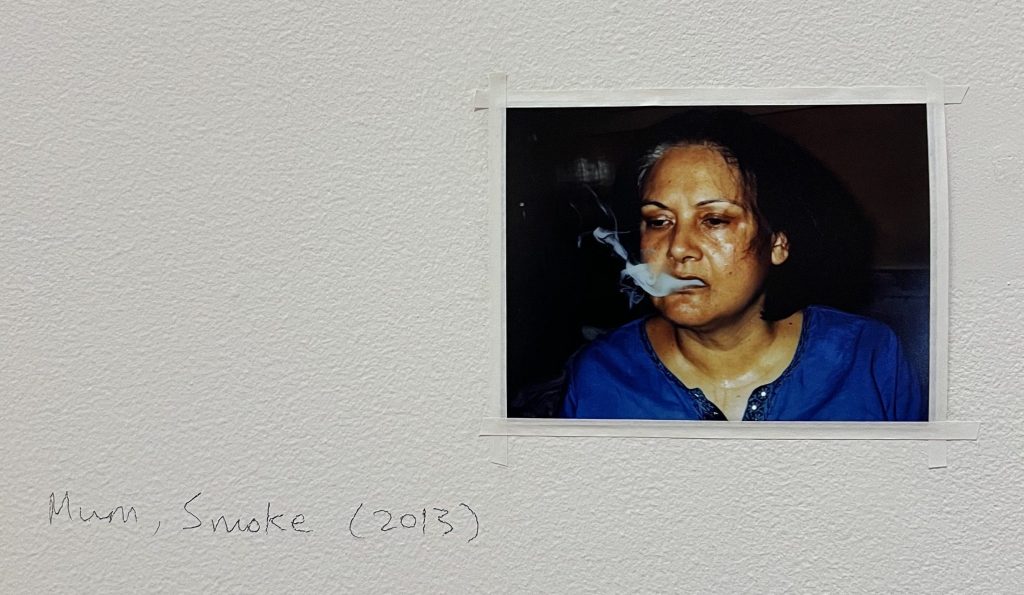
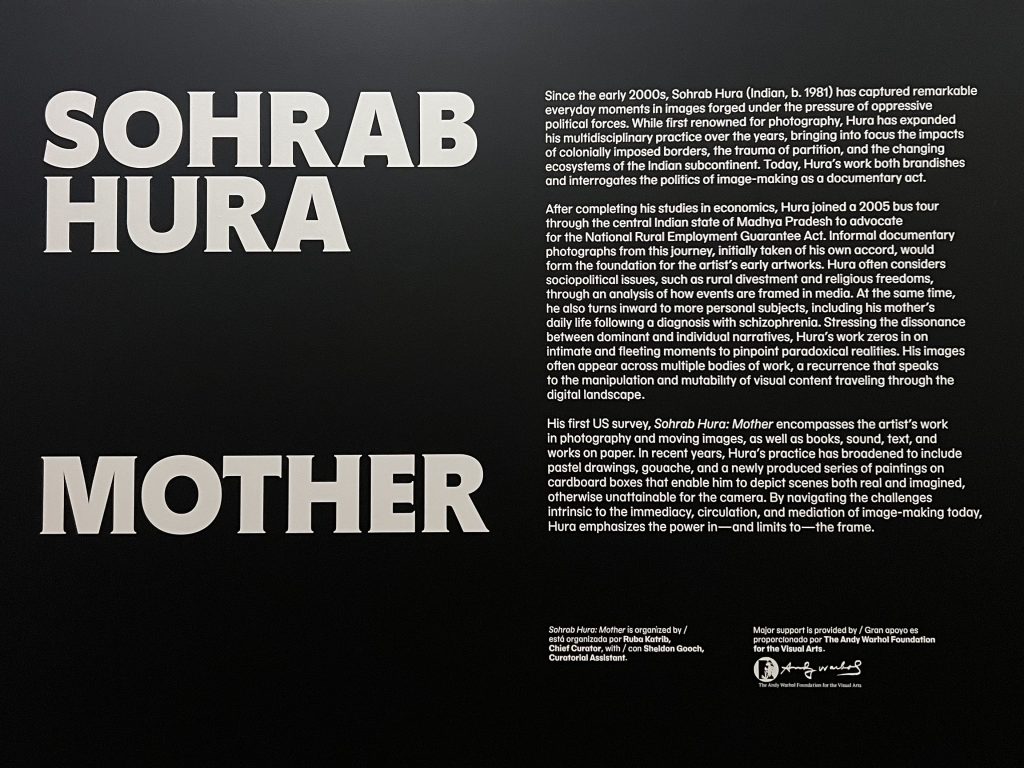
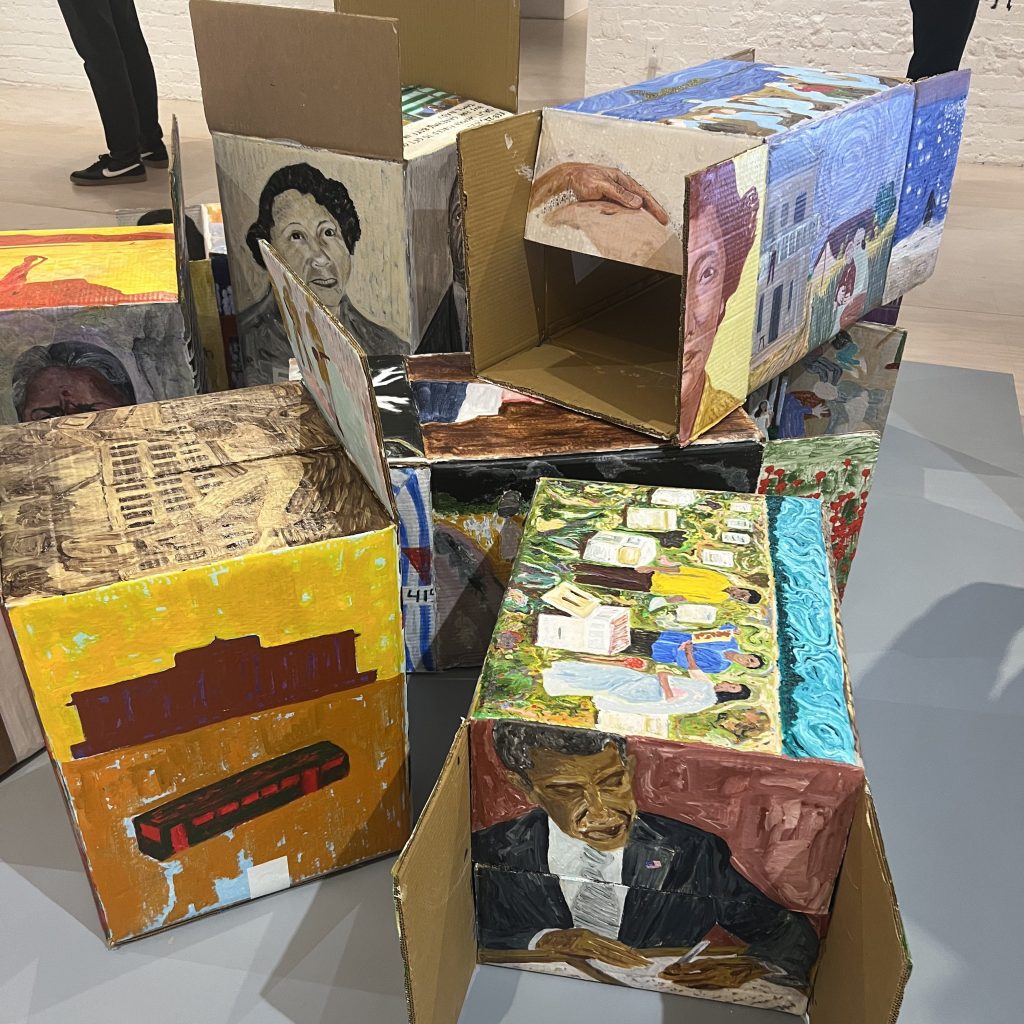
This week, the pairing of our Adrienne Rich readings alongside a visit to Sohrab Hura’s ‘Mother’ exhibit at MOMA PS1 converged upon a theme of “pinpointing paradoxical realities,” namely identifying locations at which our lived experiences exist in conflict with institutional impositions and expectations made of us. Within the chapters of Of Woman Born, Rich narrowed in on several key gendered aspects regarding the cathexis of mother-son and mother-daughter relationships. These chapters work to disassemble the matrix of expectations that sons and daughters have of their mothers, mothers’ expectations, and the infusion of guilt into the child, and what can be done for all parties to participate more harmoniously.
In response to both versions of the dyad, Rich writes, “The passion of the Motherbond demands whole persons” (p. 210). The first operative part of this statement lies primarily with the word “Motherbond”; this particular rephrasing of the relationship of care between the mother and the child hopes not to erase the issues endemic and local to gender experience under a patriarchal institution, but rather serves to loosen our associations made with what is expected from each party — so that they may be able to fill that newly carved-out space with their own reality and experience. The second operative part of this phrase lies in the idea that the dyad requires “whole persons” in order for the passion of the Motherbond to be experienced. Rich takes time to parse out the intricacies of the ways that sons and daughters, at either end of the spectrum, can maneuver around their constrictive molds in patriarchy. The man-child son must be left behind on the riverbank, whilst the mother wades her way across first. Daughters must identify and build their own daughterhood within their female communities before giving themselves over to the demand for them to mother others. Every person, of all genders and choices, can and ought to mother and, through their journey toward achieving wholeness within themselves, wholeheartedly receive as a child and exist within the passion of this bond.
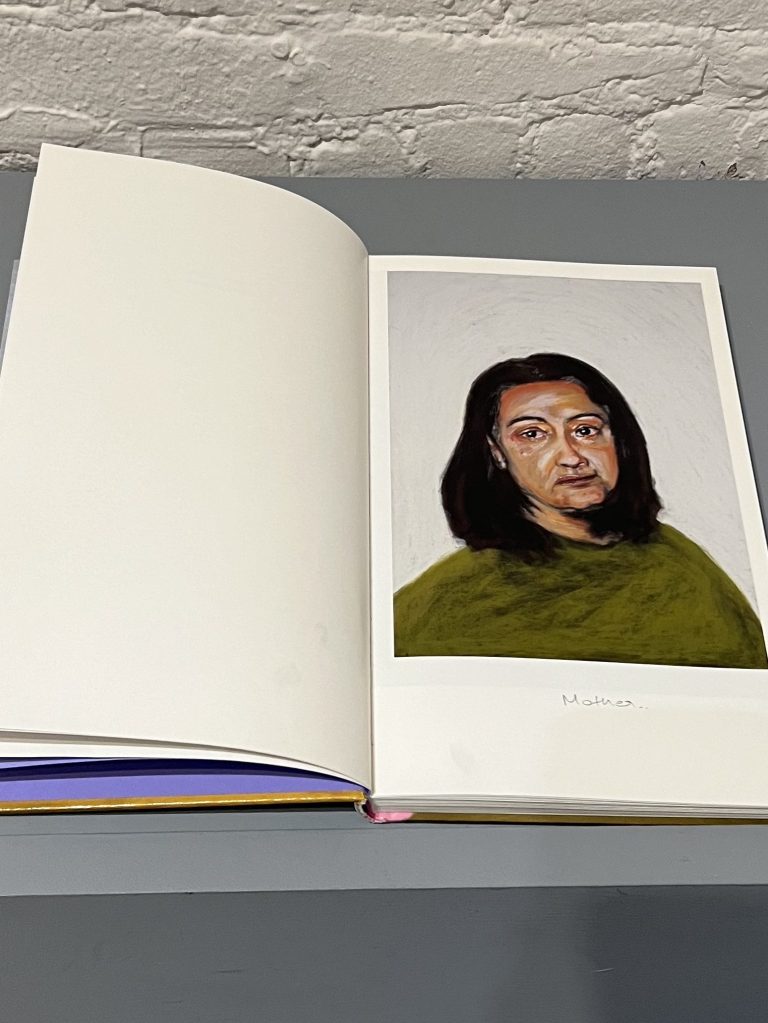
This building up and filling of the free space in “Motherbond” seems to be exactly what Sohrab Hura does within their work. Hura’s exhibit navigates the concept of “Motherhood” by examining its existence primarily in their relationship with their own mother and how her diagnosis of schizophrenia has altered the flows of care and anxiety between their bond. Additional iterations of Motherbond exist in Hura’s intimate portrayal of the lives of people in Pati and Kashmir that sit in mirrored walls in the main corridor of the exhibit. Pati is an arid landscape that has been devastated by heavy deforestation (Mother Nature), while Kashmir, with its snow-capped mountains, exists at a site of a political tug-of-war after the exit of the British Raj (Mother Nation). Hura pinpoints these fleeting spaces as sites capturing “paradoxical realities,” and it is only through locating them and understanding their intricacies that a new “Motherbond” can be constructed.
 Jenn Thảo Nguyễn
Leave a comment