In this week’s material, the concept of “Maternal Finitude” particularly stood out to me. In The Argonauts, Maggie Nelson introduces this term through Kaja Silverman’s assertion that “the turn to a paternal God comes on the heels of the child’s recognition that the mother cannot protect against all harm, that her milk — be it literal or figurative — doesn’t solve all problems” (95). If accepted, this argument presents many paradoxes inherent in the experience of motherhood. The first is that, in the act of intimate child-rearing, the mother is predestined to disappoint the child through her imposed task of teaching the life-saving boundary of “where the child ends and others begin” (96). The second paradox is that the child’s turn to the ‘paternal,’ in its rage of disappointment over the mother’s finitude, highlights the institutional issues of motherhood raised by Adrienne Rich in Of Woman Born. Rich discusses the invisible work of motherhood, which is harnessed, and negated, to serve capitalism and the patriarchy.
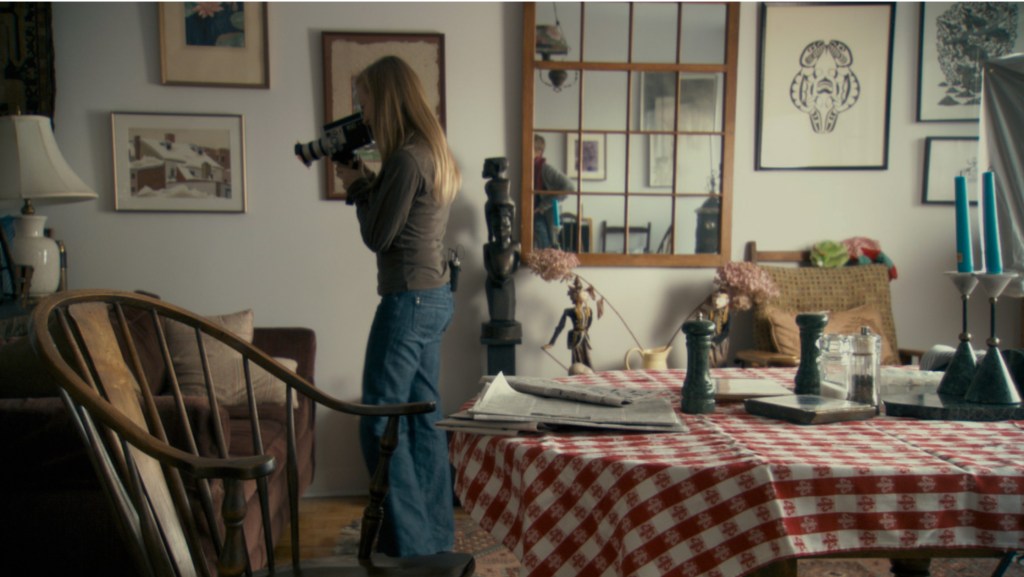
Rich specifically acknowledges how the institution of motherhood is superimposed over the “potential of motherhood”, which she defines as “the potential relationship women have to our reproductive rights and to our children.” I believe the “potential of motherhood” is inextricably linked to the notion of “maternal finitude” and the need for more “enabling representations,” as suggested by Nelson and Silverman. In this context, ‘finitude’ does not refer to lack, but rather to the natural misalignment and rejection that mothers experience in relation to the myth imposed on them by the institution of motherhood. One enabling representation that resonates with this notion is the portrayal of Diane Polley in Stories We Tell. The testimonies of her children, along with the nuanced responses provided by each child to Diane’s life choices and experiences, allow her to be a ‘mother’ who supercedes the binary of ‘good’ or ‘bad’. Her ability to have created many beautiful memories, and a lasting legacy on the people around her, whilst transcending the institutional impositions on her and her role as a mother, demonstrate new pathways to – and through — motherhood that would alleviate the shock in revelation that may come with the task of drawing a Mother drawing a boundary between where she begins and where the child ends.
 Jenn Thảo Nguyễn
Leave a comment